REVIEW · BRISBANE
Learn to Surf at Broadbeach on the Gold Coast
Book on Viator →Operated by Go Ride A Wave · Bookable on Viator
Learning to surf should feel fun first.
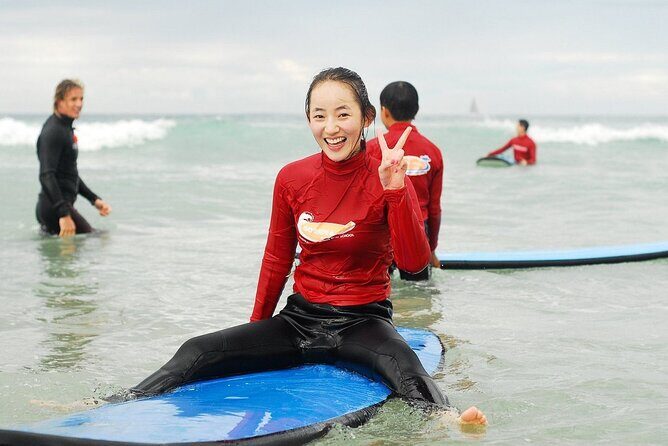
If you want an easy start, this Broadbeach lesson is built for first-timers and beginner boards that help you focus on the basics instead of fighting the ocean. You get a clear sand briefing, then practical coaching right where it counts, Broadbeach’s Kurrawa Beach area. I also like that it’s a small group (up to 7), so you’re not just watching from the sidelines.
The biggest plus is the way the instruction is paced and kept safe, with the right gear handed to you: a long-sleeve rash shirt or wetsuit (seasonal) and a soft board sized for learning. The only consideration is simple logistics—if you arrive late or don’t spot the meeting van quickly, you may waste a few minutes getting oriented at the car park by the Kurrawa Surf Saving Club.
In This Review
- Key Things That Make This Surf Lesson Work
- Broadbeach Morning or Afternoon: Where You’ll Actually Learn
- The 2-Hour Lesson Plan: From Sand Briefing to First Waves
- Gear That Helps Beginners Succeed Faster
- Instructors Who Keep It Calm and Clear
- Small-Group Help and Safety, Without the Big-Tour Chaos
- Price and Value: Does $60.25 Make Sense for Beginners?
- What you get
- What you don’t get
- Why the price feels reasonable
- Practical Tips So You Spend Less Time “Finding Stuff”
- Who Should Book This Surf Lesson (and Who Might Rethink It)
- Getting More Out of Your First Surf Session
- Should You Book This Broadbeach Surf Lesson?
- FAQ
- How long is the surf lesson?
- What time does the lesson run?
- Where do we meet?
- What’s included in the price?
- What should I bring?
- Can I cancel, and how far ahead?
Key Things That Make This Surf Lesson Work
- Small-group size (max 7) so you get more attention and feedback
- Soft beginner surfboards that reduce frustration and help you stay balanced
- Sand safety briefing before the water so you know what to do first
- Rash shirt or wetsuit provided so you’re not scrambling for gear
- Toilets and showers nearby for a quick rinse after
- Photos can be arranged if you want proof you stood up
Broadbeach Morning or Afternoon: Where You’ll Actually Learn
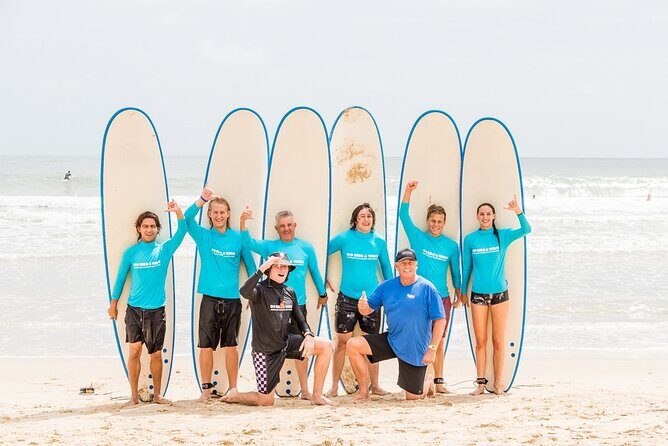
This lesson happens at Broadbeach on the Gold Coast, with the meeting point set by the Kurrawa Surf Saving Club. That matters because you’re learning in a real surf setting, not some distant “practice zone” far from the waves. Broadbeach is also a visitor-friendly area. It’s not hard to find nearby amenities, and the whole setup is designed for day-trip energy.
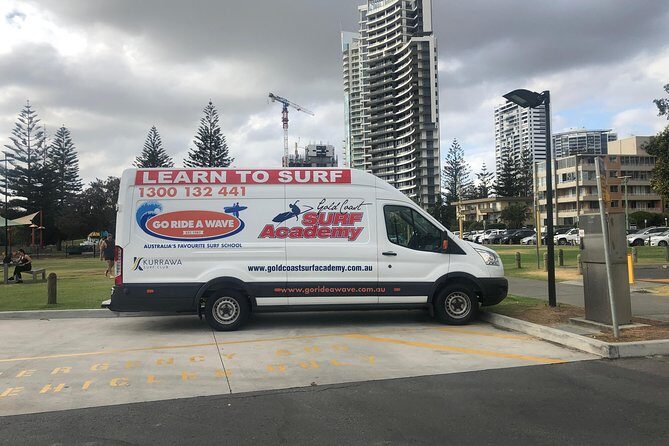
Plan to arrive with enough time to get your bearings. The program meets at their van in the car park beside the Kurrawa Surf Saving Club, and the lesson itself runs for about 2 hours. Even if you’re local, it can take a moment to locate the right vehicle, so giving yourself a buffer is smart.
One practical win: there are toilets and showers nearby so you can rinse off salt and sand. That’s a small detail that saves you from feeling gross for the rest of the day, especially if you’re pairing the surf lesson with beach time or dinner plans.
Other Gold Coast day trips from Brisbane


The 2-Hour Lesson Plan: From Sand Briefing to First Waves
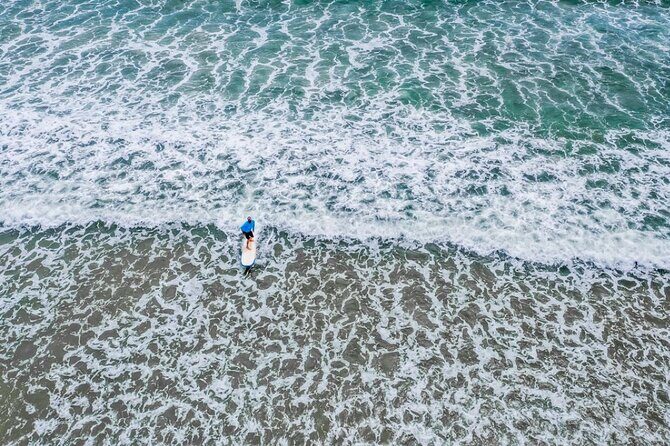
The whole experience is straightforward: you’ll start with a safety briefing and basic instruction on the sand, then you’ll head into the water to practice with your guide. The pacing is designed for beginners—meaning you won’t be thrown in and told to figure it out.
Here’s how the time typically “feels” as a beginner:
- First phase: sand instruction and safety
You’ll learn the basic movements and what to watch for. This is where you get the mental model: how to position yourself, what to do when you see a wave coming, and how to stay safe in the water.
- Second phase: short, real practice in the lineup
You’ll take what you learned on the sand and try it on the board. You’re still learning technique, but now you’re doing it with actual waves involved.
- Third phase: continue practicing
The goal isn’t just one lucky attempt. You’ll get chances to repeat the actions and improve your timing while the lesson continues.
You’ll also notice the program is scheduled twice per day, 10am and 2pm, and it runs every day. That’s handy if you’re building a flexible itinerary. Morning lessons can be great if you want the rest of the day free. Afternoon lessons can work well if you want a slower start and a later beach vibe.
The session ends back at the meeting point, so you’re not stuck with a long return trip or confusing handoffs.
Gear That Helps Beginners Succeed Faster
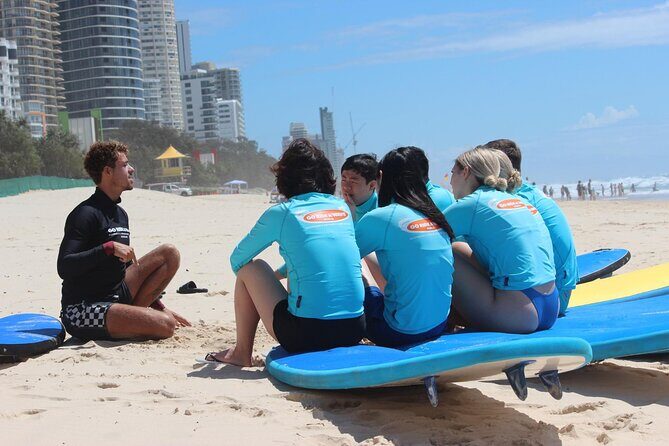
You don’t show up with just a dream and your own board. You’re provided with the essentials, including:
- A soft beginner surfboard
- A long-sleeve rash shirt or wetsuit (depending on the season)
- Surfing instruction led by a professional guide
That gear setup is more than a convenience. It changes your experience. A soft beginner board is easier to balance on, and it gives you a safer learning curve when you’re still figuring out how your body moves on the water. The rash shirt or wetsuit helps protect you from friction and cold, which means you can actually stay focused on technique instead of discomfort.
One extra helpful detail: you can also arrange photos. If your goal is to remember the moment you finally stood up, this is a nice option—especially if you’re traveling with family who want a “we did it” shot.
Instructors Who Keep It Calm and Clear
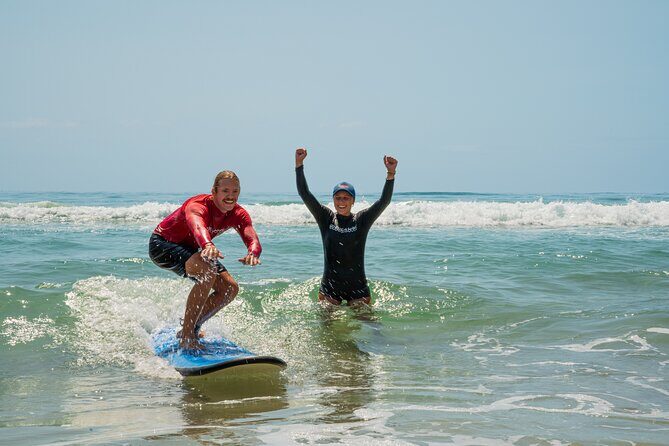
The best beginner surf lessons have one key trait: the instructor stays patient while you’re figuring things out. That’s exactly what stands out here.
The instruction style you’ll likely experience is practical:
- Steps are explained clearly
- Movements are demonstrated
- You get time to practice in the water (not just a quick “try and go”)
- The guide keeps an eye on safety and helps when you need it
The names that pop up in the guide feedback include Remy and Joshua, both described in positive terms for patience and experience. I like that this kind of coaching aims to make you understand what you’re doing, not just what you’re supposed to copy.
And if you’re the type who learns better by hearing and watching the same thing, you’re in good shape. The lesson structure mixes sand instruction with hands-on practice, which helps you connect the dots quickly.
One more note: because the group is capped at 7, instructors can give more direct attention when possible. That makes a difference for first-timers who want specific corrections, like what to do with your feet as you aim to stand.
Small-Group Help and Safety, Without the Big-Tour Chaos
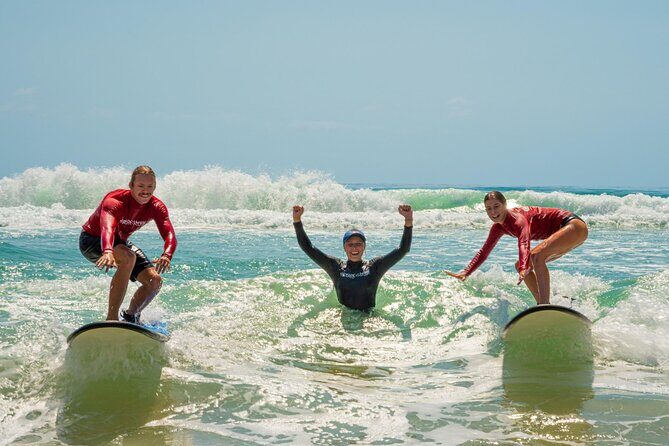
When a lesson is small, the experience feels different. You’re not lost in a crowd. You can actually get feedback and adjust while you’re still in the learning zone.
This group cap of up to 7 travelers is part of the value. It supports a more personal rhythm—especially during the tricky parts, like paddling into a wave or transitioning from lying down to getting your legs under you.
Safety also matters here. The lesson includes a safety briefing before you hit the water, and the overall approach is described as keeping people safe during the session. For beginners, that’s crucial. It’s not just about avoiding accidents—it’s also about giving you confidence to try again after a wipeout.
A small but telling detail from the feedback: one learner felt the instructors tried to help everyone one-on-one when able. That lines up with the small-group setup, and it’s exactly what you want when your goal is to go from unsure to standing (or at least getting very close).




Price and Value: Does $60.25 Make Sense for Beginners?
At $60.25 per person for about 2 hours, the value comes from what’s included and what isn’t.
What you get
- A professional guide
- Surfing equipment (soft board + rash shirt/wetsuit)
- Instruction and practice time that’s focused on beginners
That means you’re paying for coaching plus the gear that makes it possible to learn right away. For many people, that’s the best kind of spend while traveling—no extra rental searching, no guessing about what board size to use.
What you don’t get
- Food and drinks
- Hotel pickup and drop-off
This is normal for a surf lesson in a beach town, but it affects your planning. Bring a plan for water and a snack before or after. And if you’re staying a bit away from Broadbeach, you’ll want to rely on public transport or your own transit.
Why the price feels reasonable
If you’ve never surfed, the biggest cost is usually frustration plus wasted time. This lesson reduces both by providing the right gear and teaching you in a beginner-friendly structure. You’re paying for guidance that speeds up understanding.
Practical Tips So You Spend Less Time “Finding Stuff”
A surf lesson goes smoothly when you’re not scrambling. Based on what people note about the meeting setup, here’s what I’d do if you’re heading out on your day:
- Arrive early enough to locate the van. The lesson meets in the car park by the Kurrawa Surf Saving Club, and it can be easy to miss if you’re rushing.
- Plan for changing and rinse-off time. Toilets and showers are nearby, which is great, but you’ll still want a few minutes to get settled.
- Wear swimwear that’s easy to handle. You’ll be given a rash shirt or wetsuit, but your base layer matters for comfort.
- Bring something to dry off. Even if there are showers, you’ll appreciate a towel or quick-dry options.
- Consider photos if you want a memory. It’s a small extra step, but it can be the difference between “I think I did it” and having a clear reminder of your first standing attempt.
Also, pick the time based on your energy. If you tend to move slowly in the morning, the 2pm session might suit you. If you want the rest of the day for beach walks and food, the 10am slot can be a smart choice.
Who Should Book This Surf Lesson (and Who Might Rethink It)
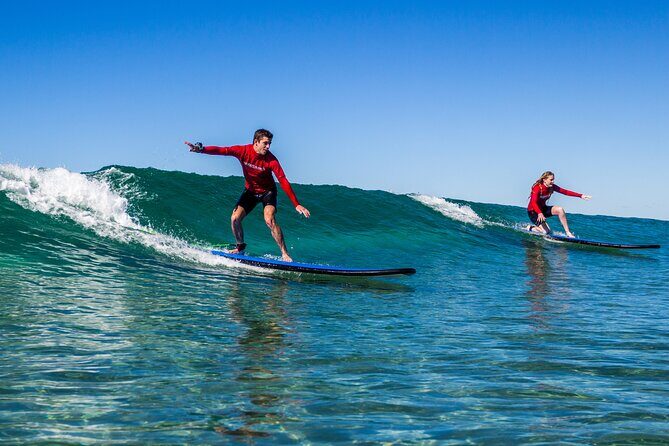
This is a strong match for:
- Absolute beginners and first-time surfers
- Families and kids, since the lesson is built to be safe and fun
- People visiting Broadbeach who want a classic Australian activity without complicated planning
- Anyone who prefers more personal instruction in a small group
It’s also a good choice if you don’t want to manage gear or figure out board rentals. Equipment is included, and the soft board plus wetsuit/rash shirt removes a chunk of beginner uncertainty.
You might consider another option if:
- You hate meeting points without clear visual cues and don’t want to arrive early
- You’re looking for a longer session than about 2 hours of instruction and practice
One more fit note: service animals are allowed, and the meeting area is near public transportation. That makes it easier to plan for different travel styles.
Getting More Out of Your First Surf Session
Your goal as a beginner should be simple: learn the steps, practice them, and build confidence wave by wave. A few mindset tips that match the structure of this lesson:
- Listen on the sand, then repeat the same action in the water. The lesson is designed for that sand-to-surf connection.
- Treat wipeouts as practice, not failure. Beginners improve by repeating fundamentals, and you’ll get time for that.
- Ask for one correction at a time. In a small-group setting, you’ll usually get a more useful fix if you focus your question.
- Plan to rinse and reset afterward. Salt and sand are part of the experience, and the nearby showers help you move on with your day.
If you walk in thinking you’ll do it perfectly on attempt one, you’ll feel frustrated. If you walk in expecting to learn and adjust, you’ll have a much better time.
Should You Book This Broadbeach Surf Lesson?
I think it’s a great booking choice if you’re a true beginner or you want a low-stress way to try surfing in a proper beach setting. The combination of small-group coaching, beginner-ready gear, and a sand briefing followed by practice is exactly what reduces the usual first-surf chaos.
Book it if:
- You want the chance to stand and you care about instruction, not just exposure
- You’re traveling with family or want something active that still feels guided
- You like the idea of 2 hours that balances teaching and actual time on the board
Skip or shop around if:
- You have trouble with meeting points and can’t arrive early
- You want a longer, more advanced session than what’s offered here
If your main question is whether $60.25 buys real value, it does when you’re new to surfing and you want a structured start with the right board and a guide watching for safety.
FAQ
How long is the surf lesson?
The lesson lasts about 2 hours.
What time does the lesson run?
It runs every day at 10am and 2pm.
Where do we meet?
You meet at the Kurrawa Surf Club, Old Burleigh Rd, Broadbeach QLD 4218. The lesson starts from the van in the car park beside the Kurrawa Surf Saving Club, and it ends back at the meeting point.
What’s included in the price?
Included are a professional guide and surfing equipment (a soft beginner surfboard and a long-sleeve rash shirt or wetsuit, depending on the season).
What should I bring?
Food and drinks aren’t included, and there’s no hotel pickup or drop-off, so you’ll want to handle your own day’s timing. The session also provides surf gear, so you mainly need to plan for comfort and rinse-off after.
Can I cancel, and how far ahead?
You can cancel for free up to 24 hours in advance for a full refund. If you cancel less than 24 hours before the start time, the amount paid isn’t refunded.