REVIEW · BRISBANE
Brisbane City Walking Tour | Small group | 100 minutes
Book on GetYourGuide →Operated by Urban Tours · Bookable on GetYourGuide
Brisbane is easier to enjoy when someone points at the details. This small-group Brisbane City Walking Tour turns a simple city walk into a story-led route, starting in Post Office Square and threading through landmark streets, City Botanic Gardens, and the kinds of building styles you’d otherwise glide past. I particularly like the guide-led pacing and the way you get practical coffee and dining recommendations along the way.
One thing to plan for: the main route includes steps, even though an alternative route is possible. If you need it, tell the local partner ahead of time, and you’ll make the walk feel a lot more comfortable.
In This Review
- Key Points at a Glance
- Brisbane City on Foot: What You Get in 100 Minutes
- Post Office Square Start: Simple Meeting Point, Real Center of Town
- Walking Past Early-1800s Architecture: Not Just Old Buildings
- Smallest Door and Oldest Building: The City’s Best Practical Eye-Candy
- City Botanic Gardens: Lamington, Movement, and Why It Matters
- Skydeck-Style Views: Turning Stories Into Skyline Perspective
- Olympics 2032 Talk: Past to Future Without the Buzzwords
- Local Food and Coffee Tips: The Part You’ll Actually Use
- Small Group Energy: Why Up to 8 People Works
- Value Check: Is $38 Worth It?
- Watch Your Step: Accessibility and Comfort Details That Matter
- Who This Tour Suits Best
- Should You Book This Brisbane City Walking Tour?
- FAQ
- Where is the tour meeting point?
- How long is the walking tour?
- How big is the group?
- Is the tour wheelchair accessible?
- What’s included in the price?
- What isn’t included?
- Are pets allowed?
- Is there free cancellation?
Key Points at a Glance
- Small group (up to 8): More chat, more questions, and a guide who can keep an eye on the whole group.
- Post Office Square meeting spot: Central, easy to aim for, and worth arriving a few minutes early to get your bearings.
- Early-1800s building styles: You’ll notice design differences that most people never register.
- City Botanic Gardens stops: You’ll have specific things to look for, including Brisbane’s smallest door and an old building.
- Lamington and Olympics 2032 stories: Food trivia and future-planning talk, tied directly to the city you’re walking through.
- Food and coffee tips included: You finish with places to eat and order coffee, not just facts.
Brisbane City on Foot: What You Get in 100 Minutes
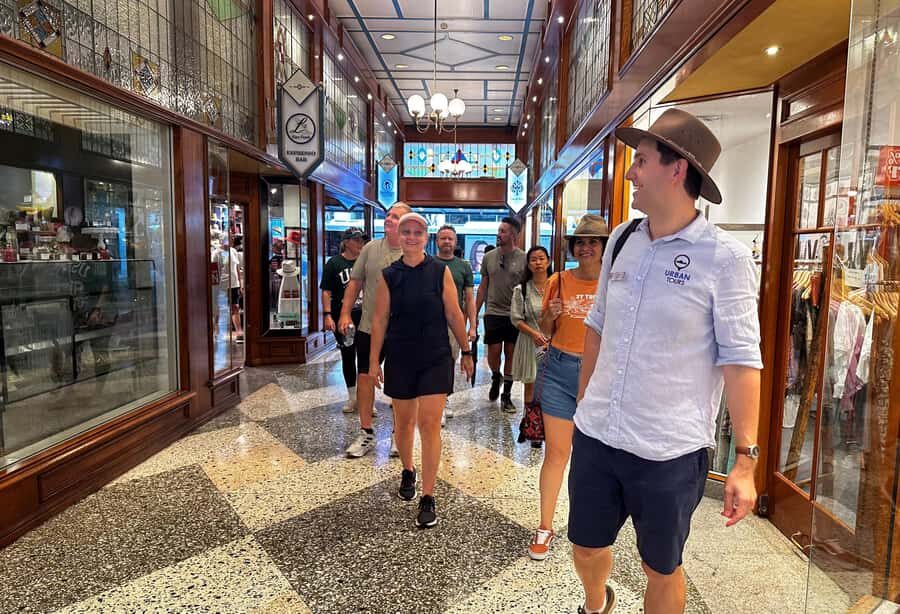
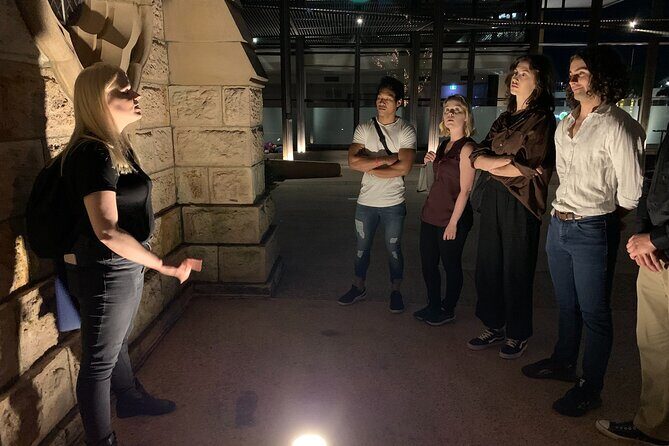
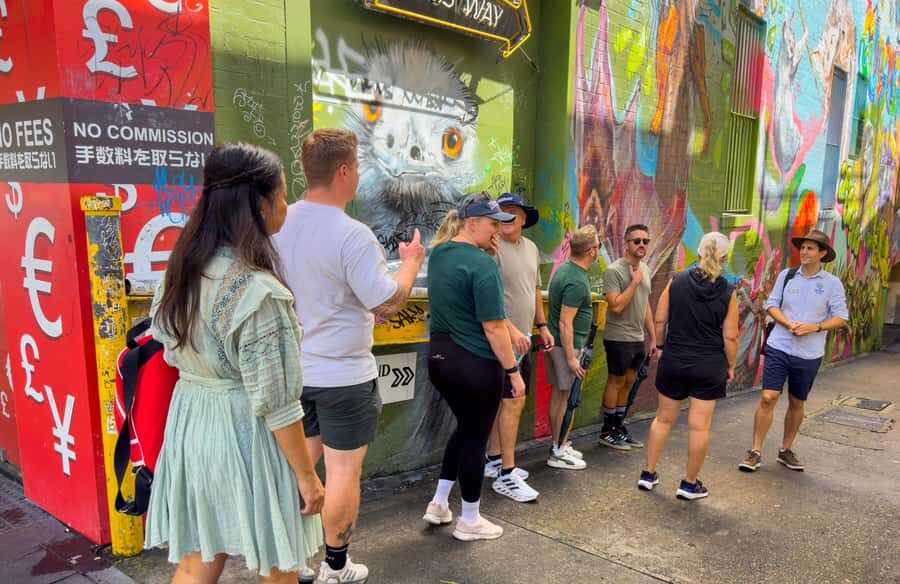
This experience is built for people who like cities with context. You’re not just walking from one famous site to the next. You’re getting a guided thread: how Brisbane looked in earlier decades, what changed, and what’s coming next toward the 2032 Olympics. That story lens matters, because it helps you connect the buildings to the people and the decisions behind them.
The tour is listed as 100 minutes, with a 90-minute duration noted as the tour time. Either way, you’re getting a compact, concentrated city introduction that works well if you’re short on time or still figuring out where things are. At $38 per person, it sits in the “worth it if you want a shortcut to local insight” zone, especially since the tour includes a local professional guide, a gift, group photos, and a donation to local charity.
Other walking tours we've reviewed in Brisbane
Post Office Square Start: Simple Meeting Point, Real Center of Town
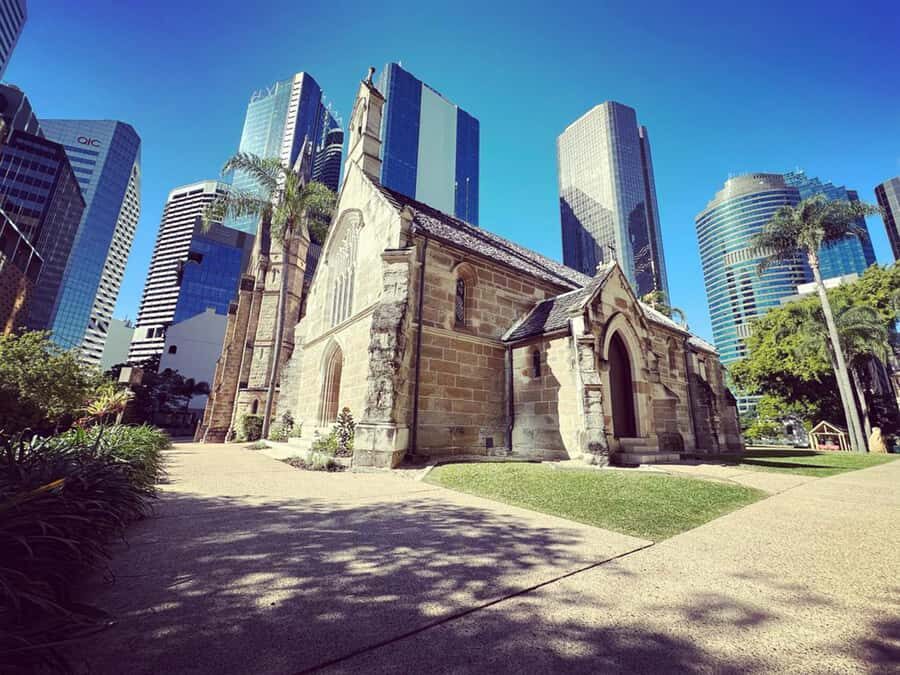
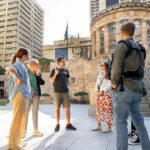
Your meeting point is right where the city funnels people in: Post Office Square near Queen Street. The guide stands near the Post Office Square Park sign at the Queen Street end, carrying an Urban Tours shoulder bag.
If you’re trying to find it calmly (not sprinting with jet lag), use the directions as a checklist:
- Head to 260 Queen Street.
- Look for the Westpac building with the red W.
- Walk to the open grassy area on the right side of the building, about 5–10 steps in.
- Match up with the guide by the park sign.
If it’s raining, the guide is under the awning in front of the bus stop. I like meeting points like this because they reduce decision fatigue. You can orient fast, grab water nearby if you need it, and start the walk without the awkward “where is everyone” moment.
Walking Past Early-1800s Architecture: Not Just Old Buildings
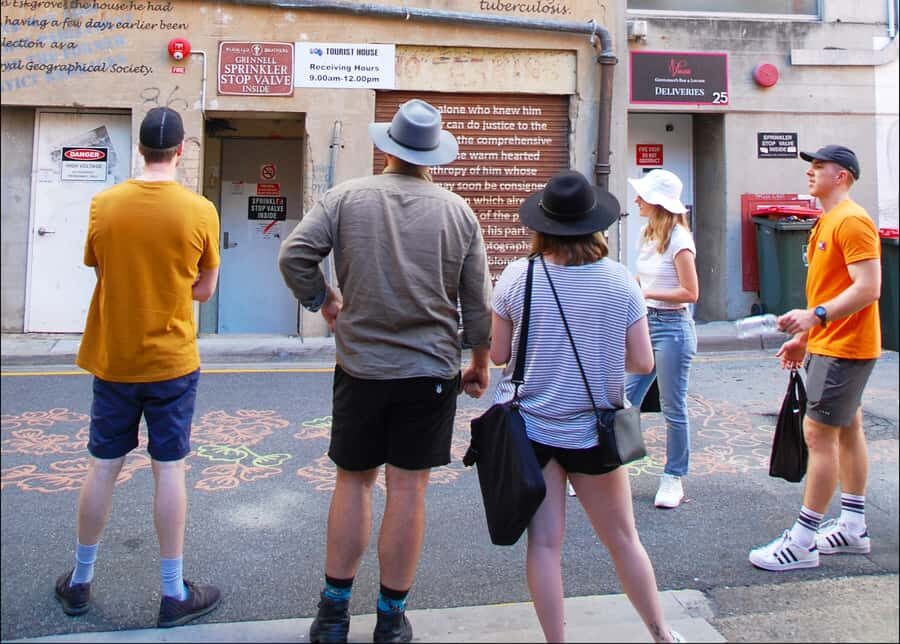
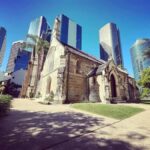
One of the most satisfying parts of this tour is that it trains your eyes. Brisbane has layers, and this route is designed so you notice them. You’ll admire building styles dating back to the early 1800s, then hear how those structures fit into the city that grew around them.
This is more than architecture trivia. When you understand why older buildings look the way they do, you stop treating the street as scenery. Instead, you see the city as a timeline. That’s how the “unknown stories” promise becomes real: it’s about linking what you see (facades, street presence, age) with what shaped the place.
Guides also tend to steer you toward the kinds of details you’d never search for on your own. In a good guided walk, you leave noticing proportions, materials, and layout—small things that make Brisbane feel less like a blur.
Smallest Door and Oldest Building: The City’s Best Practical Eye-Candy
You’ll get specific tasks during the walk. You’re asked to keep an eye out for Brisbane’s smallest door and an oldest building. That turns a walking tour into a light scavenger hunt, and it keeps attention up when the sidewalks start to feel repetitive.
Moments like this do two useful things:
- They give your brain a “target,” which makes it easier to absorb history.
- They create a memory anchor, so you remember the story later when you’re deciding where to go next.
These are the kinds of stops that work especially well if you’re the type who likes photos but also likes meaning behind what’s in the frame.
City Botanic Gardens: Lamington, Movement, and Why It Matters
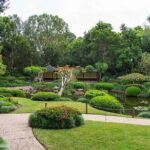
Once you reach the City Botanic Gardens, the vibe shifts from street-casual to slow-and-look. You’ll wander through the gardens and learn how the Lamington came to be. If you’ve only ever thought of Lamingtons as dessert, this kind of stop adds texture. It ties a beloved treat to the place you’re standing.
The gardens segment also helps you understand the city’s rhythm. You’ll hear about how people move about—what areas feel easiest to navigate, where foot traffic tends to flow, and how the city’s layout affects everyday choices. It’s not a transport plan, but it’s a helpful way to get your bearings.
If you’re a first-timer, you’ll likely appreciate this section most because it turns the “green space in the middle” into a real part of the city’s story. And if you’ve been here a while, it still works, because you’ll notice places you’ve walked near without really seeing.
Other walking tours we've reviewed in Brisbane

Skydeck-Style Views: Turning Stories Into Skyline Perspective
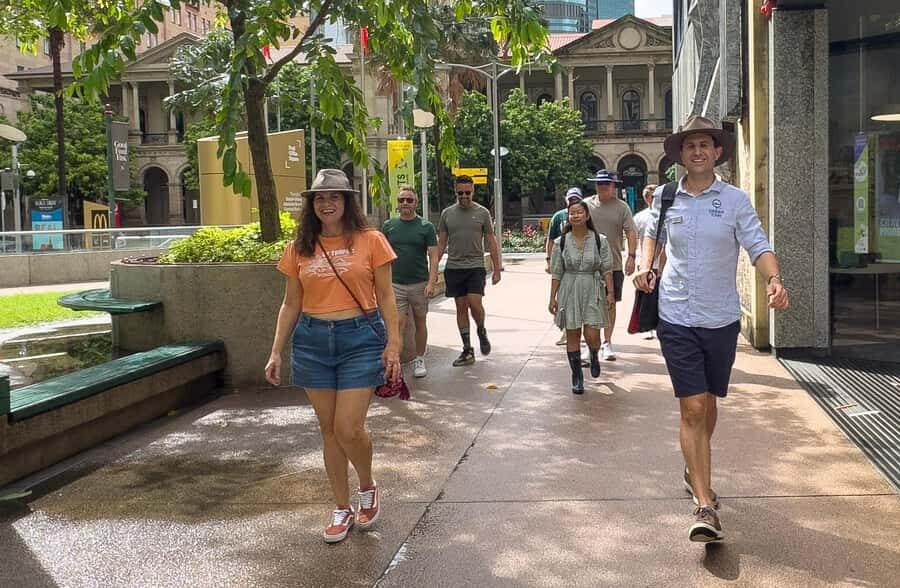
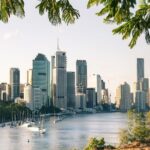
One of the standout moments described by past guests is getting spectacular views over Brisbane from the Skydeck. Even if you’re not planning a big-ticket observation experience, this kind of viewpoint pause helps everything click. When you look down and see the city spread out, the history you’ve just heard stops being abstract.
You also get a practical benefit: you can recognize major streets and landmarks from above. Later, when you’re trying to decide where to go for dinner or which direction to walk, that skyline context helps.
If you’re photo-inclined, plan to slow down here. Views make the whole walk feel worth it, even if the rest of the tour is mostly about storytelling.
Olympics 2032 Talk: Past to Future Without the Buzzwords
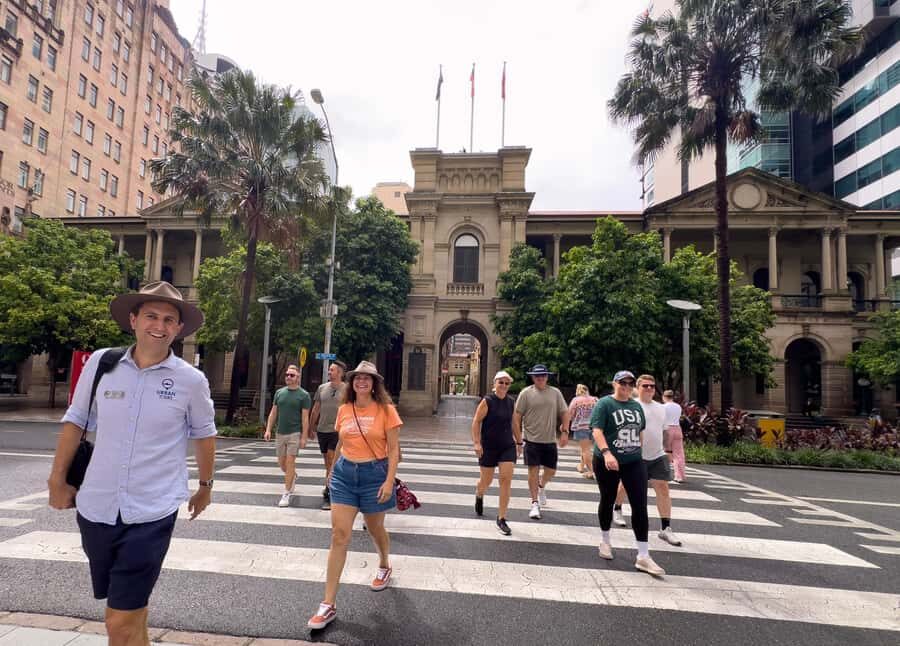
Brisbane’s future plans show up on this tour in a grounded way. You’ll learn about the past and the future, especially the build-up toward the Olympics in 2032. The value isn’t that you get a motivational speech. It’s that you get a sense of how long-term planning reshapes a city.
When a guide ties present-day development to earlier choices, you start to understand why certain areas feel the way they do. You also begin to spot how cities prepare for large events: infrastructure, public spaces, and how people are expected to move through town.
For you, that means you’ll leave with a clearer answer to a simple question: where is Brisbane headed, and how will it change what you’re doing while you’re here now?
Local Food and Coffee Tips: The Part You’ll Actually Use
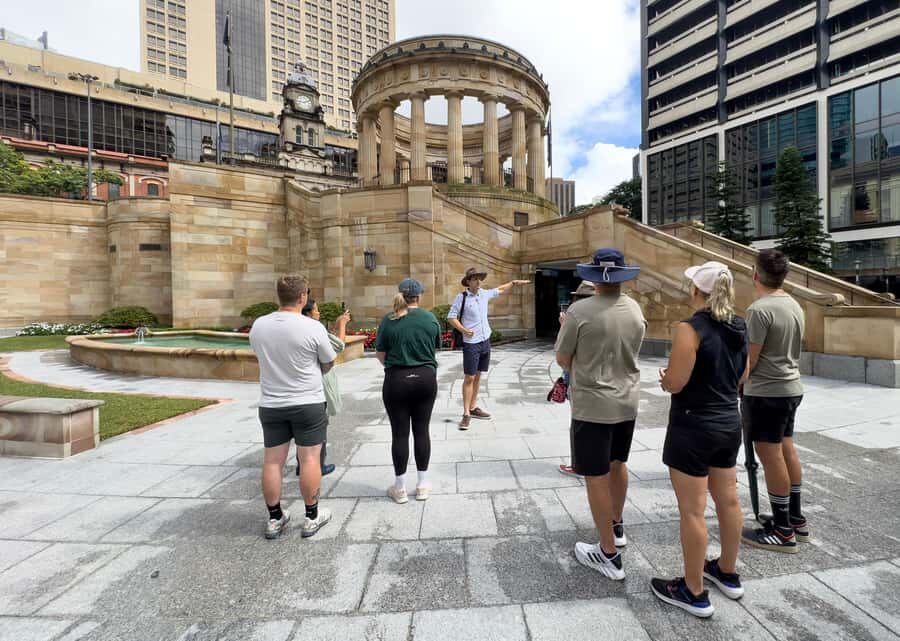
Most walking tours give you facts. This one also gives you recommendations. You’ll get advice on the best places to drink and dine from a local guide, plus tips on ordering coffee and where to go for it.
That’s genuinely useful because it solves a common vacation problem: you don’t want to spend your first evening researching options you could’ve had already. A good local recommendation saves time and helps you avoid places that look good online but don’t match what you want in the moment.
Also, the best tips tend to be situational. Based on where you are in the city and what you’ve just seen, you can make smarter choices about walking distance, vibe, and convenience. This tour helps you do that because the guide knows the route you’re taking.
Small Group Energy: Why Up to 8 People Works
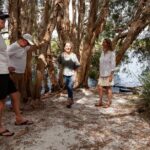
This is a small group limited to 8 participants, and that size changes everything. It’s easier to ask questions without feeling rushed. It’s also easier for the guide to adjust pace if people slow down for photos, or if accessibility needs require minor route changes.
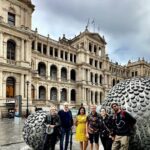
In past experiences, guides like Steve, Cheryl, and Guy have been highlighted for friendly, warm delivery and for making the walk feel interactive rather than lecture-like. That matters because a city tour can easily become “stand and listen” if the group is too large. Here, the scale keeps things comfortable.
The end result is that you’re more likely to actually remember what you learned, and you’ll probably enjoy the walking more too. When you can talk, the city feels less like a checklist.
Value Check: Is $38 Worth It?
Let’s look at what you’re buying. At $38 per person for about 90–100 minutes, you’re paying for:
- A local professional guide
- A gift
- Group photos
- A donation to local charity
- A route that includes landmarks, older buildings, City Botanic Gardens, and story stops like the smallest door and Lamington connection
- Practical recommendations for food and coffee
The “value” question is really about what your time is worth. If you only have a small window in Brisbane, this tour can act like an orientation shortcut. You gain context fast, and you leave with usable suggestions for your next meal instead of guessing.
Also, group tours often cost less than self-guided sightseeing with multiple paid add-ons. Here, you’re not paying for transportation because the meeting point is central and there’s no hotel pickup included. You do the walking, the guide does the sorting of stories and details.
Watch Your Step: Accessibility and Comfort Details That Matter
The main route includes steps, but an alternative route is possible. If you need that option, inform the local partner before the tour so you’re not figuring it out on the day.
This kind of advance notice is especially helpful because it keeps you in control. Instead of scrambling or deciding last minute, you can plan for comfortable shoes and a steady pace.
Also note that pets are not allowed, though assistance dogs are permitted. If you’re coming with anyone who needs help moving around, the wheelchair accessibility note is a plus, and the alternative route option is a big deal in practice.
Finally, expect a city-walking style tour. You’ll want closed-toe shoes, and if you’re visiting in warmer months, bring water.
Who This Tour Suits Best
This one fits best if you’re:
- Seeing Brisbane for the first time and want a quick, guided overview
- Interested in how older and newer parts of a city connect
- The type who likes playful details, like spotting the smallest door
- Looking for practical recommendations for coffee and dinner
- Traveling with someone who enjoys chatting with a guide, not just following a printed map
It’s also a good pick if you’re traveling solo but still want a social element. Small-group size helps you feel included without the pressure of big bus-tour crowds.
Should You Book This Brisbane City Walking Tour?
If you want more than surface-level sightseeing, I think this is a strong yes. The combination of older Brisbane building styles, City Botanic Gardens stops, and story-driven talk about Lamington and Olympics 2032 makes the walk feel purposeful. Add in food and coffee recommendations, and you’ll likely use what you learn the same day.
You should consider passing or planning carefully if you know stairs will be an issue and you don’t arrange an alternative route ahead of time. Also, if you struggle with finding meeting points in busy areas, arrive early at Post Office Square and double-check for the guide near the park sign with the Urban Tours bag.
FAQ
Where is the tour meeting point?
The guide stands near the Post Office Square Park sign at the Queen Street end. The directions reference 260 Queen Street, the Westpac building with the red W, and the open grassy area to the right of the building (about 5–10 steps).
How long is the walking tour?
It’s listed as 100 minutes in the title, and the duration is given as 90 minutes.
How big is the group?
The tour is a small group limited to 8 participants.
Is the tour wheelchair accessible?
Yes, it’s wheelchair accessible. The main route includes steps, but an alternative route is possible if you inform the local partner before the tour.
What’s included in the price?
Included are a local professional guide, a gift, a donation to local charity, and group photos.
What isn’t included?
Hotel pickup and drop-off are not included.
Are pets allowed?
Pets are not allowed, but assistance dogs are permitted.
Is there free cancellation?
Yes, you can cancel up to 24 hours in advance for a full refund.