REVIEW · BRISBANE
Minjerribah Cultural Experience
Book on Viator →Operated by Yura Tours · Bookable on Viator
Straddie feels different with a local guide. This 3-hour Minjerribah cultural experience is built around Traditional Quandamooka storytelling, with you moving between key Country spots where you learn how land, sea, and people connect. I love the chance to see Land and Sea animals while hearing the meaning behind the places, and I also like how the route layers both nature and culture from Brown Lake to the Coral Sea viewpoints. One thing to consider: this day needs good weather, so if conditions are rough, your schedule can shift.
In a small group (max 6), you’re not stuck listening over engine noise or waiting behind a crowd. Guides from Yura Tours (including Quandamooka custodians like Elisha, when she’s on) share family and nation history alongside creation stories and practical Country knowledge. The only real drawback is that it moves at a steady pace, so if you want long, slow hangs at lookouts, you may feel a bit rushed between stops.
In This Review
- Key highlights worth planning for
- What you’re really buying: culture you can walk through
- Price and value: $114.76 for a guided Country day that costs less than you think
- Pickup and start: Dunwich’s 9:30 am launch point
- Stop 1: Brown Lake tea tree lakes and a Welcome to Country
- Stop 2: Myora Springs Conservation Area and the island middens
- Stop 3: Point Lookout over the Coral Sea and Adder Rock Headland
- Stop 4: Terra Bulla (old Myora Mission Site) and the bush tucker walk
- Stop 5: Home Beach access track, First Nations use, and seasonal tasting
- Animals you can expect: what “guaranteed sightings focus” means in practice
- Group size and guide style: the real reason this feels personal
- Who should book this Minjerribah Cultural Experience
- FAQ
- FAQ
- Where does the tour start and what time does it begin?
- Is pickup included?
- How long is the tour?
- What animal sightings can I expect?
- Are there stops for cultural heritage sites?
- Is the tour suitable for most people?
- What if the weather is bad or I need to cancel?
- Should you book it?
Key highlights worth planning for
- Small-group format (max 6) for easier questions and a calmer pace
- Traditional Quandamooka guidance tying stories directly to the places you visit
- Guaranteed animal spotting focus, with chances to see koalas, dolphins, birds, and more
- Brown Lake tea tree lakes and a Welcome to Country moment
- Myora Springs sites including island middens and the Terra Bulla (old Myora Mission Site) walk
- Point Lookout over the Coral Sea with marine life spotting off Adder Rock Headland
What you’re really buying: culture you can walk through

On this tour, Minjerribah (Straddie) isn’t treated like scenery you just look at. You’re shown how the Country is read and understood—where stories sit in the land, and how the coastline links to life in the sea.
That is the heart of the value here. You get a structured route, yes, but the real payoff is the way each stop comes with meaning: creation stories, ancient stories, and how earlier generations used plants and moved through bush paths. If you’ve ever done a “see-this-view” day and felt like you skimmed the surface, this is the opposite. It’s practical, story-led, and you’ll likely notice more than you would on your own.
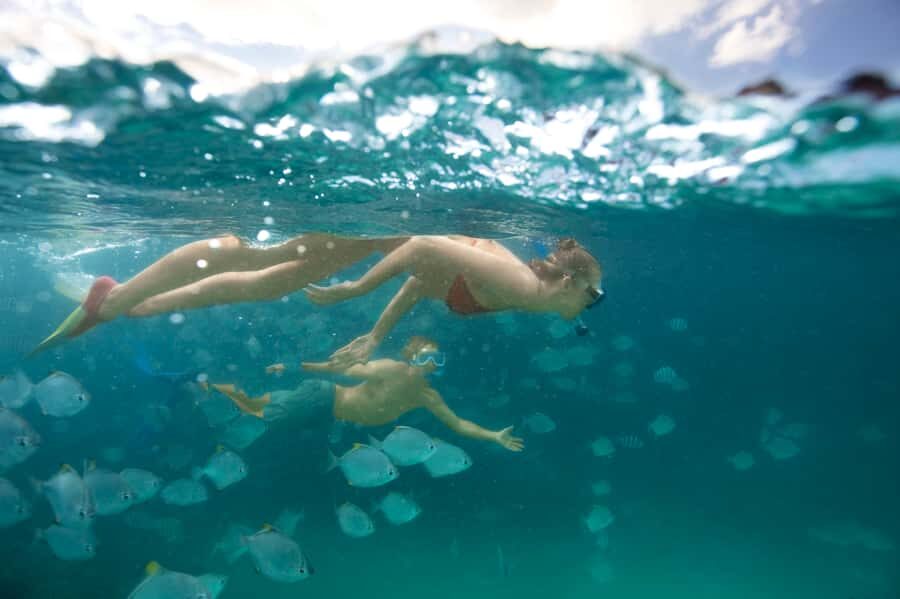
The other thing I like: the day is set up for nature spotting, not just a lecture. The tour promises land-and-sea animals along the way, and the stops are chosen so you’re in the right places to look—often more than once, from different angles.
If you're still narrowing it down, here are other tours in Brisbane we've reviewed.

Price and value: $114.76 for a guided Country day that costs less than you think
At $114.76 per person for about 3 hours, this isn’t the cheapest activity around Brisbane. But when I look at what you’re getting, it starts to make sense.
First, the tour includes a sequence of guided stops where admission tickets are listed as free at each point. That means your money is mostly paying for the guide and the access to story-rich locations—not for entry fees at multiple attractions. Second, the group size is capped at 6, which usually means fewer delays and more actual conversation.
Third, it includes pickup offered, which matters on Straddie days where travel logistics can chew up time. If you’re coming from Dunwich, being met and guided makes the whole day feel smoother.
If you’re weighing it against a self-drive day, the trade-off is clear: you give up independence, but you gain context fast. And on Minjerribah, context is the point.
Pickup and start: Dunwich’s 9:30 am launch point
The meeting point is 1 Yabby St, Dunwich QLD 4183, starting at 9:30 am. The location is noted as near public transportation, so you can plan without needing a car.
Pickup is offered, and at least some guests have been picked up right around the ferry connection. That’s a nice touch because it reduces the chance you’re wandering around looking for the right vehicle at the worst possible time.
You’ll also receive a mobile ticket, which is convenient if you prefer everything on your phone. Just make sure your battery is happy—out on the island, you don’t want to be hunting chargers.
Stop 1: Brown Lake tea tree lakes and a Welcome to Country
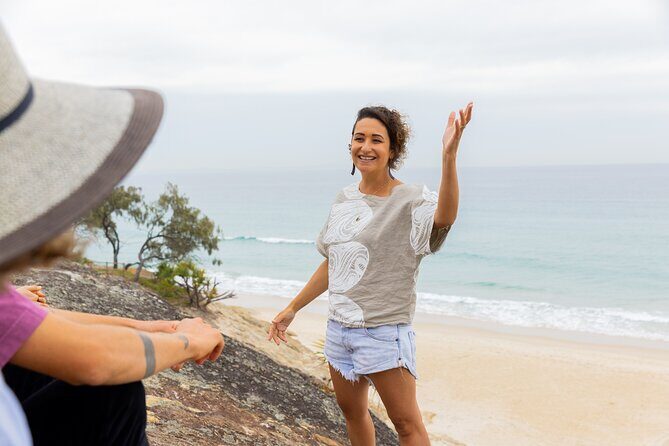
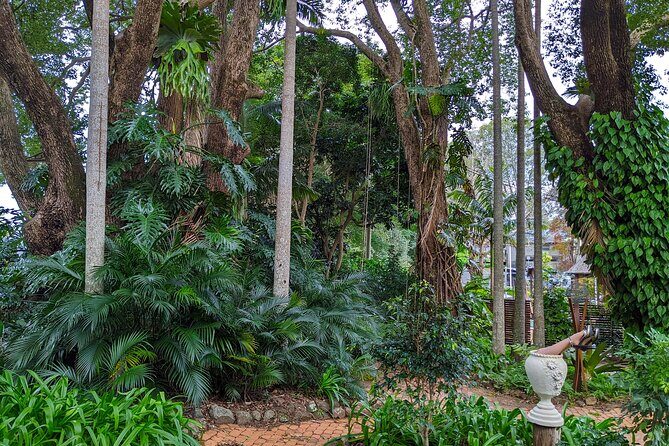
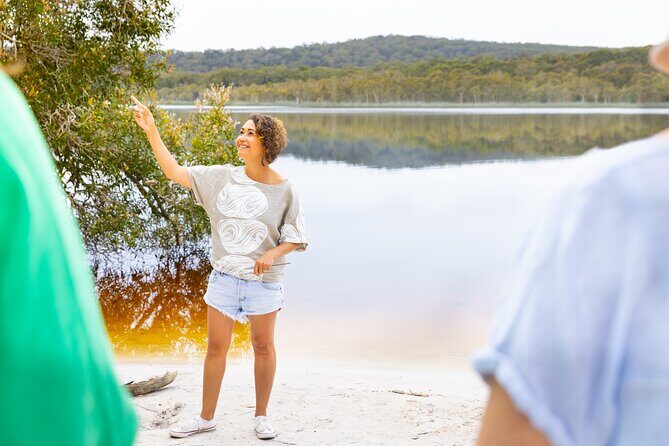
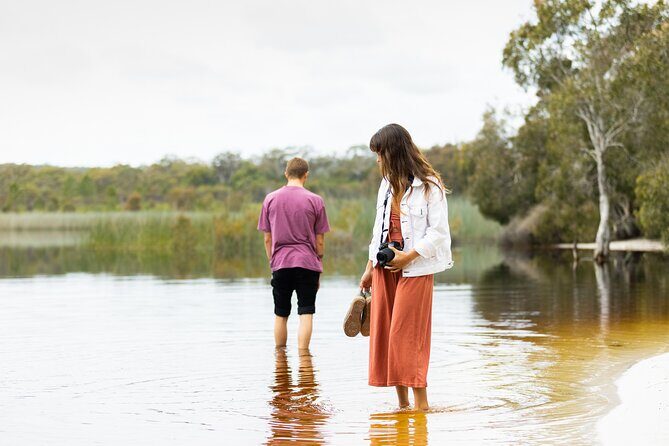
Brown Lake is where the day sets its tone. You’ll begin with a Welcome to Country at this Straddie tea tree lake setting.
Why this first stop matters: it frames the entire experience. Instead of jumping straight to viewpoints, you start with a cultural handshake with the place. It helps you listen differently for the rest of the day, because you’re not hearing stories as random facts—you’re learning what the Country means before you move through it.
The time here is around 20 minutes, which is long enough for the welcome to land, but short enough that the tour doesn’t stall. You’ll likely get a good sense of the area’s look and sound too, especially with the tea tree lake environment.
Practical note: bring a light layer if it’s breezy. Lakeside weather can feel cooler than you expect.
Stop 2: Myora Springs Conservation Area and the island middens
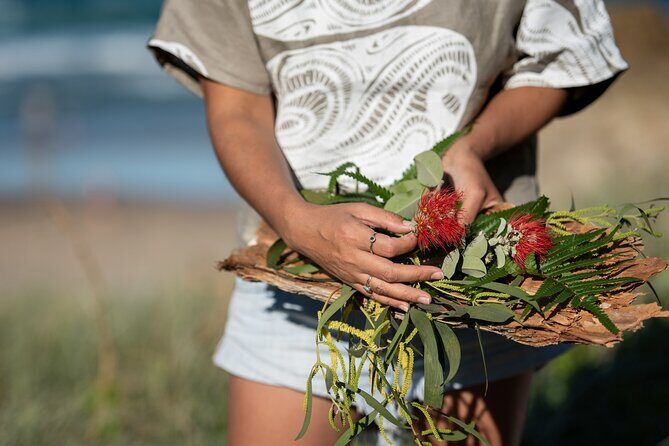
Next is the Myora Springs Conservation Area, where you’re guided through Quandamooka ancient stories and shown an island midden—an important cultural heritage site.
This stop is valuable because it’s not just about where you stand. It’s about why that place was used, how people lived with the rhythms of Country, and what the physical traces mean. Middens are physical evidence of long-term connection, and hearing the story attached to them turns a feature you might ignore into something you understand.
You’ll also get a change of pace: 20 minutes here is enough for a focused briefing without turning it into a slow slog. If you’re the kind of person who likes knowing what you’re looking at, this is one of the moments that will stick.
If you care about respectful site viewing, this is also the kind of stop where listening pays off. You’ll get more out of your eyes when you know what you’re meant to notice.

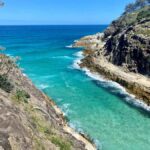

Stop 3: Point Lookout over the Coral Sea and Adder Rock Headland
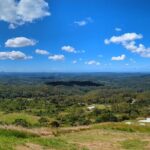
Point Lookout is your big view stop. You’ll take in wide views over the Coral Sea and have a chance to spot marine life off Adder Rock Headland, all while hearing Quandamooka creation stories.
This is where the tour balances two goals at once: awe and meaning. The view is the obvious draw, but the stories are what make it more than just a scenic photo moment. You’ll be looking with guided attention—where the coastline, sea life, and creation narratives connect.
Time here is about 30 minutes. That’s a good amount because it lets you settle, look around, and still keep the day moving. Marine life spotting can be hit-and-miss, but the tour is set up to maximize your chances by positioning you for observation.
Tip: at lookouts, people often rush to take pictures and then stop looking. Try doing it the other way around. Spend the first couple of minutes just scanning for movement, then switch to photos once you’ve trained your eyes.
Stop 4: Terra Bulla (old Myora Mission Site) and the bush tucker walk
Back at Myora Springs Conservation Area, you’ll be guided down to Terra Bulla, described as the old Myora Mission Site. From there, you’ll stroll around a bush tucker garden and learn about history and the Great Elders of past times.
This stop is emotionally heavier than the view points. That doesn’t mean it’s uncomfortable in the sense of being vague or abstract; it means you’re dealing with real historical ground. When a guide connects stories to specific places like Terra Bulla, you get a clearer picture of how Country and people were affected over time.
The bush tucker angle is also a key part of the experience. You’re not only learning what plants are; you’re learning why they mattered—seasonally, practically, and culturally. If you like nature, this feels like nature education with a human story attached.
Time is about 25 minutes. It’s enough for a meaningful walk and conversation, but not so long that you’ll lose track of what’s being pointed out.
Stop 5: Home Beach access track, First Nations use, and seasonal tasting
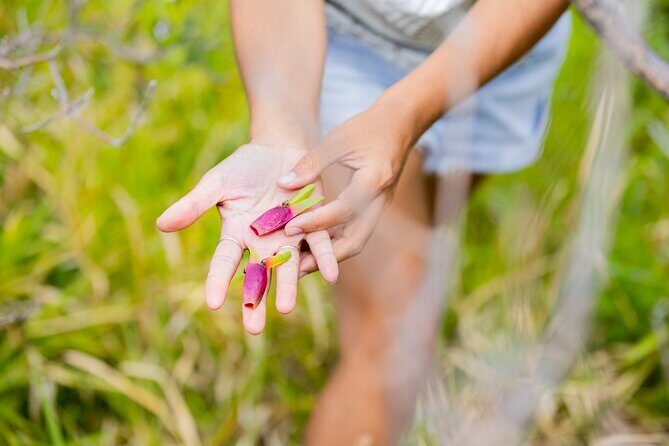
The final main segment brings you to a Home Beach access track. Here, you get an insight into the bush from a First Nations perspective, focusing on what the bush offers and its ancient uses.
This is also where tasting comes in. You’ll taste berries and plants that are in season at the time of your visit.
This is one of those moments you can’t replicate with a map app. You’re learning how people relate to the land through everyday, practical knowledge, and tasting makes the lesson physical. Even if you’re a cautious eater, you’ll be guided in a way that keeps it approachable.
Time here is around 20 minutes. That works well because seasonal plants are usually a quick, gentle experience rather than a long food event.
Practical thought: if you have allergies, you should flag them ahead of time. The tour data says you’ll taste plants in season, so it’s not purely observation-focused.
Animals you can expect: what “guaranteed sightings focus” means in practice
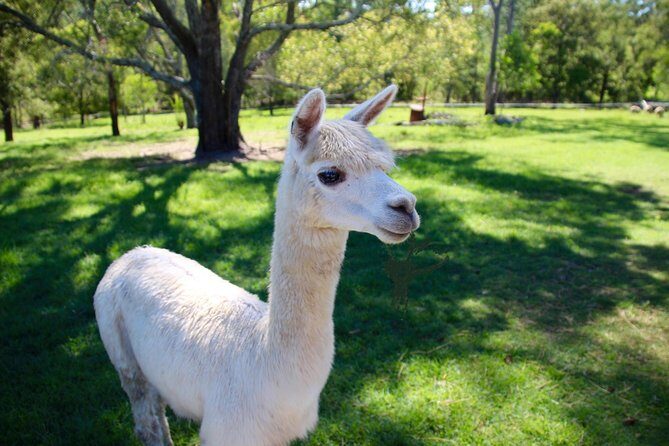
The tour highlights guaranteed land and sea animals along the way, including koalas, dolphins, birds, and more. In real life, “guaranteed” doesn’t always mean every animal shows up perfectly on cue. What it does mean is that the route is planned to put you where those sightings are most likely, and your guide helps you look in the right ways.
Here’s how to set yourself up for better viewing:
- Keep your eyes moving, not just your camera ready. Birds and marine life often show in short bursts.
- Listen for guidance cues from your host. When someone points, they usually know where to look next.
- Be patient at the right stops. Lookouts can take a few minutes before anything appears.
Because the tour repeats key vantage areas (and mixes sea-focused and bush-focused segments), you’re not relying on just one luck-based moment.
Group size and guide style: the real reason this feels personal
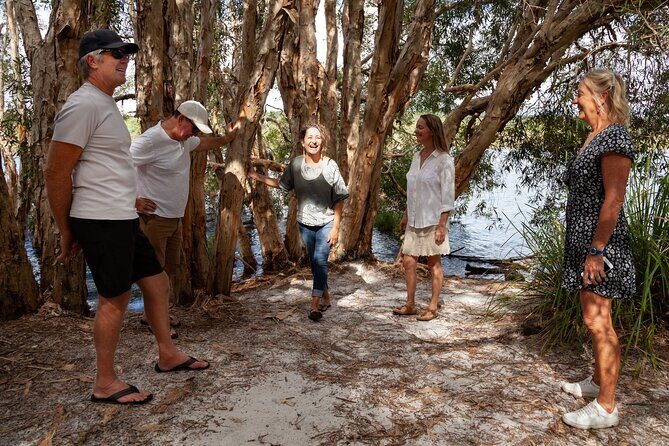
With a maximum of 6 travelers, you get something most tours can’t offer: room to ask questions without turning the experience into a classroom line.
In the examples shared about this tour, guides such as Elisha are described as warm and capable at connecting story to place. One guest also noted pickup happening directly from the ferry connection, plus stories that include family history and how the nation is building for future generations. That kind of guidance changes the vibe. It’s not only about past stories—it’s about how Country knowledge lives now.
You’re also more likely to notice small details because the group isn’t too big. When you’re standing at Brown Lake or at Point Lookout, your guide can correct your angle, point out what matters, and help you understand what you’re seeing.
Who should book this Minjerribah Cultural Experience
This tour is a great fit if you:
- Want cultural storytelling that’s tied to specific sites, not general lectures
- Enjoy nature spotting but also want the meaning behind the plants and animals
- Prefer small-group experiences with time for questions
- Like guided walks at multiple stops over a single long hike
It may feel less ideal if you:
- Want a slow, flexible day where you can linger for an hour at one spot
- Need lots of downtime between stops
- Are strongly opposed to mild walking around bush paths and garden areas
Most travelers can participate, which suggests it’s not built as an extreme physical challenge. Still, you should expect some walking at bush tracks and lookouts.
FAQ
FAQ
Where does the tour start and what time does it begin?
The tour starts at 1 Yabby St, Dunwich QLD 4183, and the start time is 9:30 am.
Is pickup included?
Pickup is offered. Some guests have been picked up directly around the ferry connection.
How long is the tour?
It runs for about 3 hours.
What animal sightings can I expect?
The experience is set up to see Land and Sea animals along the way, including koalas, dolphins, birds, and more.
Are there stops for cultural heritage sites?
Yes. You’ll visit places including island middens at Myora Springs and Terra Bulla, the old Myora Mission Site.
Is the tour suitable for most people?
Yes. It states that most travelers can participate.
What if the weather is bad or I need to cancel?
The tour requires good weather. If it’s canceled due to poor weather, you’ll be offered a different date or a full refund. You can also cancel for a full refund up to 24 hours in advance.
Should you book it?
I think you should book if you want a Straddie day that earns its place in your memory. The combination of Traditional Quandamooka guidance, meaningful stops like Brown Lake and Terra Bulla, and the chance to spot both land and sea animals makes it feel like more than a sightseeing loop.
If you’re on the fence, here’s the quick test: ask yourself whether you want your time on Minjerribah to be guided by story and context. If yes, this is a strong choice. If your main goal is maximum freedom and minimal structure, you might prefer a self-guided day.
Either way, plan for decent weather, pack for a few short walks, and show up curious. This tour rewards attention.