REVIEW · BRISBANE
Brisbane City Art and Design Walking Tour
Book on Viator →Operated by Walk Brisbane · Bookable on Viator
Brisbane’s art is hiding in plain sight. This 3-hour walking tour mixes bridges, big buildings, and small street details into one easy morning. I like that you get a guided route that helps you notice what most people speed past, and the story behind public works adds real meaning to the sights.
Two things I really liked: first, the way the guide helps you read the city—look up, look down, then look closer—so street art and sculptures feel intentional, not random. Second, the tour ends at GOMA, with time to keep exploring after the walk, including the nearby Queensland Art Gallery.
One possible drawback: it’s a moderate walk (about 2.5 km on flat, even streets), so if your knees aren’t great or you hate walking in the sun, you’ll want good shoes and a water plan.
In This Review
- Key things you’ll notice on this Brisbane art walk
- Starting on Queen Street: how this tour sets you up fast
- Brisbane CBD from above and at street level
- Kurilpa Bridge and Wintergarden: getting the architecture story
- Hidden street art: how public art works in real life
- The carving story: patience you can see
- Ending at GOMA: making your afternoon count
- Price, walking distance, and what you’re really paying for
- What to wear, bring, and expect from the route
- Who this tour suits best in Brisbane
- Should you book this Brisbane City Art and Design walking tour?
- FAQ
- How long is the Brisbane City Art and Design Walking Tour?
- Where does the tour start?
- Where does the tour end?
- What time does it start?
- How much walking is involved?
- Is there a fee for entry to the galleries?
- What is included in the price?
- What is not included?
- What should I bring or wear?
- Can I cancel for a full refund?
Key things you’ll notice on this Brisbane art walk
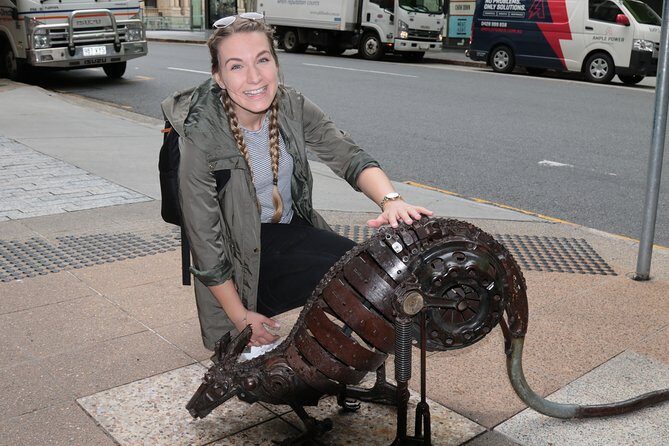
- A city-wide art lesson: you stop at bridges, laneways, and major buildings to connect design to place
- Street art you can actually interpret: you learn how commissions and public works work in real life
- Stories behind “forever” artwork: you’ll hear about a carving project that took three years on a well-known building
- You end at GOMA for a smart follow-up: free general entry makes it an easy add-on for your afternoon
- A guide who adapts: Lee-Anne consistently gets praise for tailoring explanations to your interests
Starting on Queen Street: how this tour sets you up fast
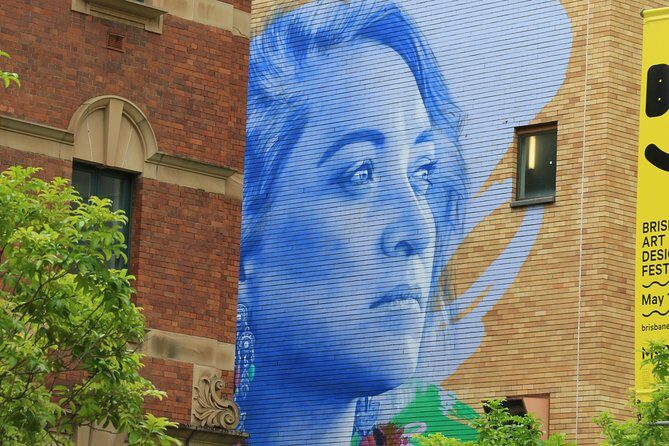
You meet in the Queen Street Mall area at the Brisbane Visitor Information and Booking Centre (167 Queen St). That location matters. It’s central, easy to find, and you get a short orientation before you start walking. In other words, you aren’t just let loose with a vague map. You’re primed to look for the types of details this city is famous for.
Right away, the tour turns Brisbane into a classroom. You’ll weave through streets and laneways, and the guide frames what you’re seeing—architecture first, then art, then how both shape public space. This is also where you’ll start learning one of the big themes of the walk: Brisbane’s art isn’t only in museums. It’s in the everyday.
Expect a 3-hour experience with a steady pace. The route is planned around the best mix of city views and street-level details, and it stays on flat, even paths for most of the time.
Other walking tours we've reviewed in Brisbane
Brisbane CBD from above and at street level
One of the most praised parts of this tour is how it trains your eyes. You’re encouraged to look in three directions: up at building faces, across at public spaces, and down at the small stuff on walls and corners. That sounds simple, but it changes everything.
When you’re walking through the Brisbane CBD, you tend to see things in layers:
- the big shapes (skyscrapers and taller modern buildings)
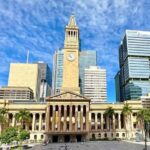
- the “older bones” (historic architecture)
- the human layer (public sculptures, street art, carved details)
The guide’s job is to connect those layers so you don’t just recognize objects—you understand why they’re there. In the reviews, people praised Lee-Anne’s ability to explain works in a way that felt personal, even when the city seems huge and complicated. If you like art but you don’t always know what to look for, this format helps.
And yes, the city does have that sunny, open-air feel that makes street art and public design easy to notice. You’ll still want the basics: camera, water, and comfortable shoes. It’s not a sit-in-a-bus kind of tour.
Kurilpa Bridge and Wintergarden: getting the architecture story
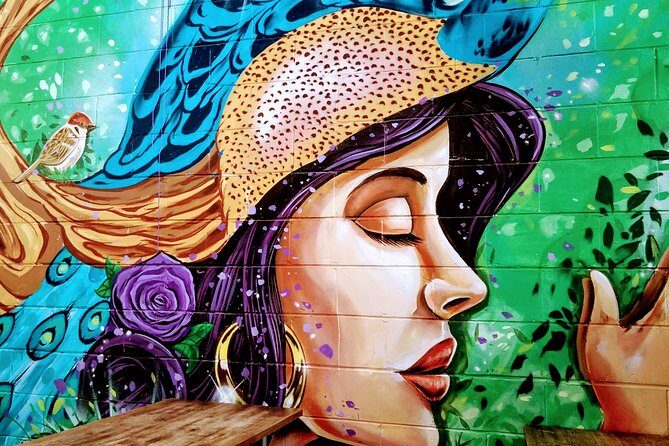
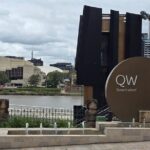
The walk includes stops around places like Kurilpa Bridge and Wintergarden, so you’ll get moments where the city looks especially designed. This is where the architecture side of the tour becomes more than trivia.
Bridges are a great starting point because they’re built to move people, and they always change how you see a city. On a walking route, you also feel the connection between structure and public use. A guide can point out design choices that you might not catch on your own—where views are framed, how movement guides attention, and how a piece of infrastructure can feel like public art.
Then Wintergarden adds a different kind of contrast: you shift from outdoor city-breath space to a more enclosed, planned environment. The value here is variety. You’re not stuck staring at walls for three hours. You’re building a mental map of Brisbane’s design style—what’s open, what’s structured, and how the city uses different spaces to shape experience.
Hidden street art: how public art works in real life
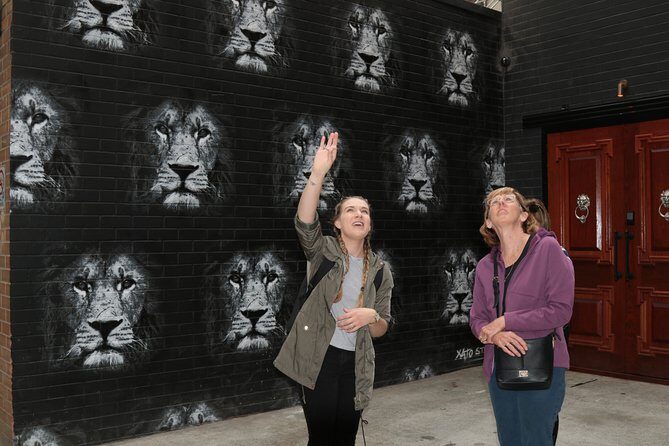
A big part of the appeal is the “hidden delights” feeling. The city has art that’s visible once someone points it out, and the guide is there to do the pointing—with context.
On this walk, you’ll hunt for street art in the laneways and edges of the CBD. But the real win is not just seeing it. You learn how public commissions and street works fit into Brisbane’s broader design culture—what they’re responding to, and how they change what people think the street is for.
If you’re the type who likes to photograph walls, this tour is useful because it teaches you how to photograph with intention. Instead of just snapping a mural, you’ll learn what questions to ask while you look: Who made it? What space is it attached to? What message does it carry in that setting?
From the experience reports, the guide’s strength is translating design ideas into clear, everyday language. People also mentioned that Lee-Anne answered lots of questions, including ones about Australia and Brisbane in general. That’s a practical advantage if you’re new to town and want your art walk to double as a mini city briefing.
The carving story: patience you can see
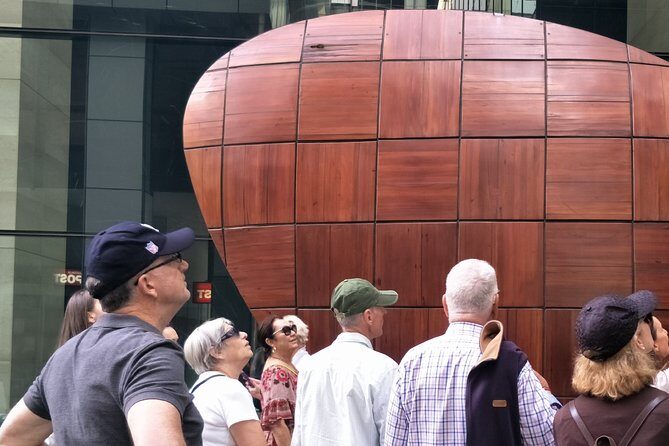
One of the highlights mentioned is the story behind a work of art that took three years to carve into a famous building. Even without getting lost in technical detail, that kind of fact changes how you look.
When a piece takes years of careful work, it’s not just decoration. It’s a commitment—made to last, to be viewed over time, and to become part of the building’s identity. Hearing that story on the spot helps you read the artwork like a process, not a product.
This is exactly the kind of “meaning layer” that good city art walks provide. You stop treating art as separate from architecture. You start treating it as a decision the city made—one that affects how people move, pause, and feel while they’re in public space.
Other walking tours we've reviewed in Brisbane
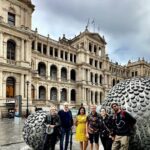
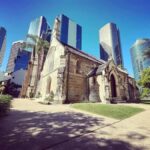
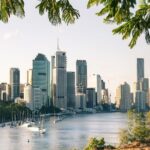

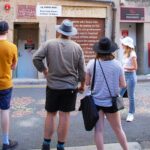
Ending at GOMA: making your afternoon count
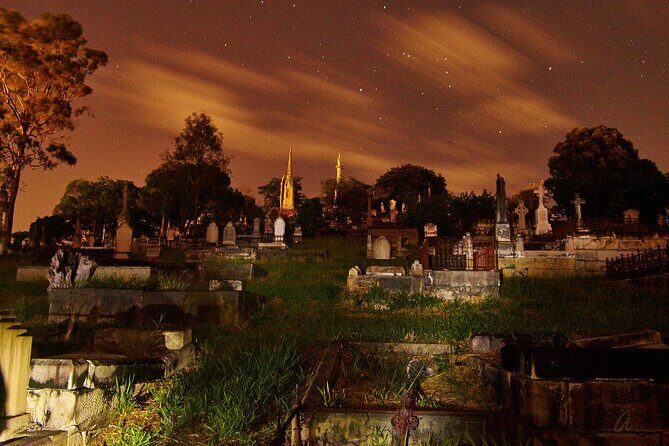
The tour concludes at Queensland Gallery of Modern Art (GOMA) on Stanley Place in South Brisbane. This is a smart ending, because you don’t have to rush off to find something else to do. You get to continue in the museum world right after the street-world portion.
Here’s the key practical point: entry to QAGOMA is free, and on some occasions there may be paid exhibitions. So you can plan your afternoon with a lot of flexibility. I like this structure because it avoids the common problem of finishing a tour with a hard “now you pay again” feeling.
You also get a nudge to visit the nearby Queensland Art Gallery. That’s a good tip if you enjoy comparing styles side-by-side—modern focus at GOMA, then another take nearby.
A simple way to spend your time after the tour:
- Do a quick first pass through the spaces you’re most curious about.
- Then slow down for a handful of works and read labels more carefully.
- If you’re still in street-art mode, you can look for how museum art relates to the public works you saw in the morning.
If you’ve got the energy, staying at GOMA longer is often the best way to “lock in” what you learned on the walk. The museum visit turns the guided momentum into something you can revisit.
Price, walking distance, and what you’re really paying for
The price listed is $200.83 per group (shown as up to 1) for about 3 hours, with a mobile ticket. On paper, it can look steep for a walk.
Here’s how I’d judge the value:
- You’re paying for a professional guide who knows where the art is and how to explain it.
- The tour is private, so you don’t share a guide’s attention with strangers.
- You get a built-in plan for the morning, plus the payoff of ending at GOMA with free general entry.
For a solo traveler, the cost is basically the price of personalized attention. For a couple or a small party, the value depends on whether you’d otherwise pay for separate guiding or pay admission for multiple museum experiences. Since the tour includes the guided part and sets you up for a free museum add-on, it can feel like one coherent package rather than scattered activities.
Walking-wise, you’re looking at about 2.5 km on flat, even city streets. That’s not extreme, but it adds up over three hours—especially under Brisbane sun. Bring water, and plan on stopping briefly for photos when the guide pauses at key points.
What to wear, bring, and expect from the route
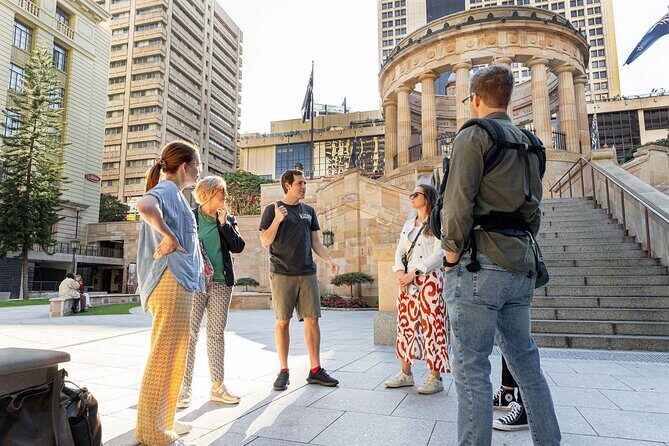
This is an easy-to-moderate walking plan, not a rugged hike. Still, comfort matters.
Bring:
- Camera
- Drinking water
Wear:
- Comfortable walking shoes
- Hat and sunglasses
- Sunscreen is recommended
Service animals are allowed, and the tour is near public transportation. Confirmation is received at booking, and it’s described as a private tour/activity where only your group participates.
One more practical note: because it’s mostly CBD and laneway walking, you’ll benefit from being ready for tight corners and short photo stops. I’d treat it like a photo-walk with a lesson, not like a slow sightseeing stroll where you can wander off.
Who this tour suits best in Brisbane
This tour is a strong match if:
- you want Brisbane art and architecture without building your own route
- you like street art, but you also want context
- you enjoy guided conversations and you might ask questions as you go
- you want a straightforward way to end at GOMA and keep exploring
It’s especially good if you’re short on time. Half-day tours are great when your schedule is packed, and this one is timed to work well with a museum afternoon.
If you’re the type who prefers very quiet museums over busy streets, you might find parts of the CBD walk less your style. But the structure—bridges, building fronts, then laneways—keeps it varied enough that you’re not stuck in one kind of scene.
Should you book this Brisbane City Art and Design walking tour?
Yes, I’d book it if your goal is to see Brisbane differently, not just to cover distance. The biggest value is the guided eye—how the tour pushes you to notice street-level art, public sculptures, and architecture together, and how it explains the why behind what you’re seeing. Ending at GOMA seals the deal because it turns your morning lesson into a relaxed afternoon.
If you hate walking in the sun or you want art with zero interpretation and only minimal talking, this might feel too structured. But if you’re curious, this is one of those rare city walks where you leave looking at walls, bridges, and buildings like they’re speaking.
FAQ
How long is the Brisbane City Art and Design Walking Tour?
The tour is about 3 hours.
Where does the tour start?
It starts at the Brisbane Visitor Information and Booking Centre, 167 Queen St, Brisbane City QLD 4000.
Where does the tour end?
It ends at the Queensland Gallery of Modern Art (GOMA), Stanley Pl, South Brisbane QLD 4101.
What time does it start?
The start time listed is 9:30 am.
How much walking is involved?
You can expect about 2.5 km of walking on flat, even city streets.
Is there a fee for entry to the galleries?
QAGOMA entry is listed as free, though paid exhibitions may sometimes be offered.
What is included in the price?
The professional guide is included.
What is not included?
Food and drinks (unless specified), hotel pickup and drop-off, transportation to/from attractions, and any entrance fees beyond what’s stated (with QAGOMA generally free and paid exhibitions possible) are not included.
What should I bring or wear?
Bring a camera and drinking water. Wear comfortable walking shoes, and bring a hat and sunglasses. Sunscreen is recommended.
Can I cancel for a full refund?
Yes. Free cancellation is offered up to 24 hours in advance of the experience start time for a full refund.