REVIEW · BRISBANE
Brisbane Must-See Attractions Walking Tour with a guide
Book on Viator →Operated by Guydeez · Bookable on Viator
Brisbane is best learned on foot. This 3-hour walk helps you connect the city’s old institutions, modern streets, and standout landmarks—without wasting time figuring out where to go first.
I really like the free-to-enter stops (Post Office Square, GPO, St Stephen’s Cathedral, and more), because it keeps your budget under control. I also like the small-group feel and pacing, which can stretch or tighten depending on your questions and energy—like the tours led by Rory, Max, or Daria, who are praised for keeping things at an easy speed and telling stories that go beyond signage.
One thing to keep in mind: guide quality isn’t the same for everyone. One experience described a guide who shared almost no information and relied on their phone for answers—so if you want real storytelling, ask a few questions early and make sure you’re getting what you came for.
In This Review
- Quick Highlights: What Makes This Brisbane Walk Worth Your Time
- A 3-Hour Route Through Central Brisbane (On Foot, With Real Context)
- Post Office Square and Brisbane GPO: The City’s Communication Backbone
- St Stephen’s Cathedral: Brisbane’s Oldest Church and Its Visual Stories
- City Botanic Gardens: A Breather Between Civic Stops
- Old Government House and Queensland Parliament: Power, Pride, and Purpose
- Reddacliff Place, King George Square, and City Hall: The Civic Heart in Three Acts
- The Old Windmill Finale: Brisbane’s Oldest Surviving Building
- Price and Value: Is $52.47 Worth It?
- How the Best Guides Change the Walk (Rory, Max, and Daria as Examples)
- What You Should Bring (So the 3 Hours Feel Easy)
- Who This Tour Is Best For
- Should You Book This Brisbane Walking Tour?
- FAQ
- How long is the Brisbane Must-See Attractions Walking Tour?
- How much does the tour cost?
- Is this tour walking-only?
- Are tickets or entry fees included?
- Can the tour be customized to my interests?
- What languages are the guides?
- Where does the tour start and end?
- Is there private or small-group availability?
- FAQ
- Can I cancel and get a full refund?
- Is the tour suitable for most travelers?
Quick Highlights: What Makes This Brisbane Walk Worth Your Time
- Short, focused stops (about 15–20 minutes each) make it easy to see a lot without feeling dragged.
- Major landmarks plus side streets, so you get your bearings and a few practical ideas for what to do next.
- English and Spanish-speaking guides, handy if you’d rather not rely on your phone translation.
- Guides tailor the route to your interests, when certain spots are closed they may swap in good alternatives.
- All the core sites are free to access on this route, so you’re not constantly hunting ticket prices mid-walk.
A 3-Hour Route Through Central Brisbane (On Foot, With Real Context)
This is a walk-first city tour designed to help you get your bearings fast in Brisbane’s inner-city area. You’ll start at 40 Elizabeth St, Brisbane City, and the tour ends back at the same meeting point.
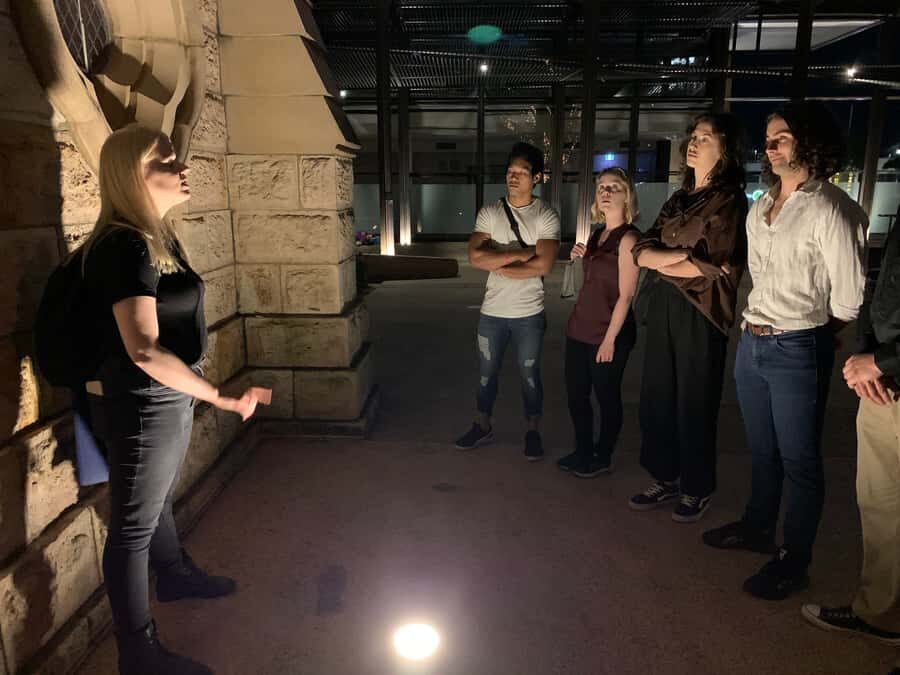
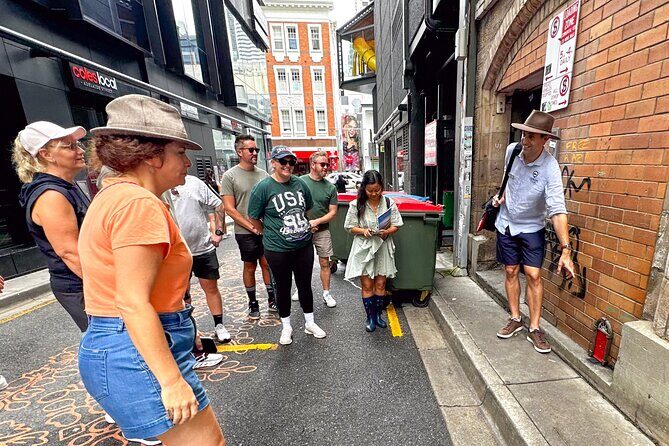
The big win here is rhythm. With a total time of about 3 hours, you get enough movement to feel like you actually traveled through the city—without turning your day into sore-feet math. Since it’s a small group (private/small group options exist) and only your group participates, you can ask questions without hearing your guide compete with 40 other voices.
Another practical bonus: the tour uses a mobile ticket, and there’s also help from the team to book ticketed visits if you want extras later. That matters because this route focuses on city sights and free access sites, so if you decide you want a museum or an attraction upgrade, you’ll want help figuring out what’s worth paying for.
And yes, it’s walking. That’s part of the point. You won’t be spending money on transport during the tour, but you should still plan for sun, hydration, and shoes you can trust.
Other walking tours we've reviewed in Brisbane
Post Office Square and Brisbane GPO: The City’s Communication Backbone
Your walk kicks off in Post Office Square, which is a good starting point because it immediately frames Brisbane as a working city, not just a set of photo angles. You’re in the center where civic life and everyday activity overlap, so even the first stop feels like orientation.
From there you head to the General Post Office (GPO). This is the kind of building you can’t fully appreciate until you stand near it and notice how much the architecture communicates. The GPO is tied to Brisbane’s long relationship with communication networks—how people stayed connected before everything went online.
Even if you’re not a museum person, GPO is still worth a look because it shows how the city organized itself. It’s also the type of landmark your guide can connect to later stops—parliament, city hall, and the civic squares that come after.
The main “gotcha” here is time. You’ll only spend about 15 minutes, so keep your questions simple and high-impact:
- What role did this place play when Brisbane was growing?
- What details should I notice in the facade or layout?
If your guide likes questions (many do), this is an easy stop to get a lot out of.
St Stephen’s Cathedral: Brisbane’s Oldest Church and Its Visual Stories

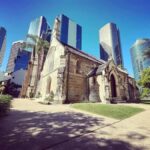
Next up is the Cathedral of St. Stephen, Brisbane’s oldest church. You’ll step inside, which changes the experience. Outside, you read the building. Inside, you start noticing the light, the stained glass, and how the space holds centuries.
This stop is great when you want the city to feel personal. Churches aren’t just architecture—they’re where people gathered for major life moments and public events, so the atmosphere can be surprisingly emotional for such a quick visit.
Look closely at the stained glass windows and ask your guide what stories they’re tied to. Guides who pace well (like Max, in examples tied to staying comfortable in warm weather) tend to use this stop for slower, more thoughtful explanation.
One consideration: if you’re expecting a long church tour with deep historical layers, this is still a city-walk format. You’ll get the key highlights, not a multi-hour guided lecture.
City Botanic Gardens: A Breather Between Civic Stops
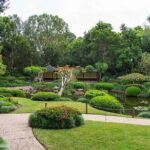
After the cathedral, you get a green pause at the City Botanic Gardens. This is where the tour shifts from stone and institutions to something softer—pathways, trees, and the kind of calm that makes the rest of the day feel more manageable.
You’ll have about 20 minutes, which is enough time to:
- take a short walk,
- notice how the garden supports different types of plants and seasonal color, and
- reset before the next cluster of civic landmarks.
If the weather is hot (and Brisbane can be), this stop can also be a comfort stop. One guide example highlighted finding shade and air-conditioned interiors when needed—exactly the kind of smart pacing you’ll appreciate if you’re doing this in midday heat.
If you’re traveling with kids or someone who needs frequent breaks, this garden portion helps keep the walk from feeling like a nonstop march.
Old Government House and Queensland Parliament: Power, Pride, and Purpose
Then the route goes political—well, at least the buildings are. You’ll visit Old Government House, a preserved heritage site tied to Brisbane’s colonial era and early settlers. This stop helps you understand the city not just as scenery, but as a place where decisions got made and systems got built.
A little later you’ll head to Queensland Parliament House. The emphasis here is on why the building matters: it’s a visible symbol of democratic governance in the Sunshine State. Even from outside, the facade reads like authority. Inside, you’re not looking at a long formal tour, but you should still come away with a clearer idea of how Brisbane’s civic identity is shaped.
The value of these stops is the connection. When you see old administration next to modern government, the city starts to make sense. It becomes more than a list of famous structures.
Time is again tight—about 15 minutes each—so let your guide choose the best explanation path. If you want to tailor, tell them upfront: do you want a focus on colonial life, or on modern civic processes?
Other walking tours we've reviewed in Brisbane

Reddacliff Place, King George Square, and City Hall: The Civic Heart in Three Acts
After government buildings, the tour pivots into the spaces where people actually move through the city.
First: Reddacliff Place. This is a city-center hub with modern energy—shops, cafes, and the kind of public space where you can see Brisbane functioning as a living workplace, not just a heritage display. You’ll take in the architecture and the overall feel of the square.
Next: King George Square. This is Brisbane’s civic heart, with monuments and sculptures that help tell the story of who the city honors. The guide can also explain how public squares become gathering points for community identity over time.
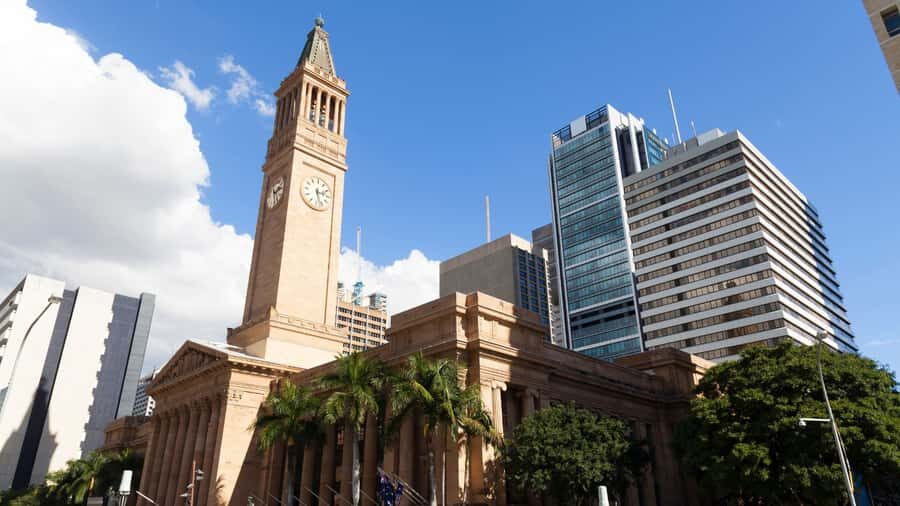
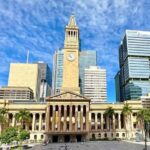
Then comes Brisbane City Hall, where you step inside. City hall is where civic pride becomes tangible—ornate interiors, big rooms, and the clock tower connection that makes this building one of the city’s signature landmarks.
A useful note for planning: while the tour is designed as a city walk and the entry to monuments/museums isn’t the focus, you may hear options for additional visits around major civic sites (like clock tower exhibits). If you want those upgrades, you’ll likely need to pay separately rather than expecting them to be covered in this walk.
If you like buildings that communicate power, this segment is one of the most rewarding parts of the whole route.
The Old Windmill Finale: Brisbane’s Oldest Surviving Building
You wrap up at the Old Windmill, Brisbane’s oldest surviving building. This is a satisfying ending because it adds texture. After government and civic spaces, you get a structure that connects to practical industry—grain milling—then shows how Brisbane keeps old structures alive as heritage markers.
This stop is about symbol and story. You’re not just looking at a historic object; you’re seeing how the city remembers its early economic life and keeps a physical reminder in the middle of present-day streets.
The tour gives you about 20 minutes here, which is enough to appreciate why it’s remembered and to understand its role as a resilience symbol for the city.
Price and Value: Is $52.47 Worth It?
At $52.47 per person for about 3 hours, the value comes from three places.
First, this route includes a guided loop of central landmarks with free access at each listed stop. That reduces decision fatigue. You’re not constantly checking if this building costs extra or if you need a ticket for every photo stop.
Second, you’re paying for local interpretation. A good guide can turn a quick look into something you remember—especially at places like GPO, St Stephen’s Cathedral, and City Hall, where details matter more than you think.
Third, the tour is built for flexibility. It’s customizable, and if something is closed, guides have a habit of using good alternatives. That’s the difference between a checklist and a route that adapts to reality.
The main downside on value is also simple: because it’s a walking tour format, it’s not built to go deep inside every paid attraction or museum. Entry to monuments and museums isn’t included. So if you’re the type who wants a long museum experience, plan to pair this with another activity after.
Also remember transport costs aren’t included during the walk. If you’re coming from far out, you’ll want to budget for getting to Elizabeth St, then for your return later.
How the Best Guides Change the Walk (Rory, Max, and Daria as Examples)
This is where the reviews data becomes useful, even if you never read one. The best guides don’t just point. They explain, pace, and adjust.
- Rory is highlighted for pacing that stays comfortable, especially in a small group. When there are only a couple people, a tour can move at your speed instead of forcing a rigid schedule.
- Max is praised for pairing context with comfort, including finding shade and using air-conditioned buildings when it’s warm. In Brisbane heat, this is more than a nice-to-have.
- Daria is described as adding personable details, including how family heritage can shape the stories she tells around the city.
And then there’s the other lesson: if you get a guide who doesn’t communicate much at all—like one described as answering questions with a phone search—you should speak up early. Ask for specifics, not general statements. If the answers don’t match what you want, let the guide know quickly so you can still salvage the afternoon.
What You Should Bring (So the 3 Hours Feel Easy)
Even though entry fees are minimal on this route, the outdoor walking part is real.
I’d bring:
- comfortable walking shoes,
- water (you’ll thank yourself),
- a hat and sunscreen if it’s sunny,
- a phone with offline maps in case you split for any extra stops later.
If you’re the kind of person who loves photos, set your expectations: this tour is about orientation and stories, so you’ll likely take pictures between explanations, not pause for long tripod sessions.
Who This Tour Is Best For
This walking tour is ideal if you:
- arrive in Brisbane and want a fast overview of central landmarks,
- prefer a guided route rather than wandering randomly,
- want to learn what buildings meant to the city, not just what they look like,
- like a plan that can still adapt to your interests.
It can also work well for families or mixed-age groups, as long as everyone is comfortable with walking and short indoor stops.
If you need a slow, fully accessible pace with minimal walking, you might want to double-check comfort expectations before booking since it’s primarily a walking format.
Should You Book This Brisbane Walking Tour?
Book it if you want a practical introduction to central Brisbane—especially for the combination of free-access landmarks, a tailored guided experience, and a route that helps you understand how civic buildings connect to the city’s identity.
Skip or reconsider if your priority is a long museum-style day, or if you’re very sensitive to guide talk-time and prefer lots of deep indoor time. In that case, you may do better with a museum-focused tour plus a shorter walk.
If you do book, do this: have 2–3 questions ready for early stops (GPO, St Stephen’s Cathedral, or City Hall). That’s the fastest way to test whether your guide brings real storytelling from the start.
FAQ
How long is the Brisbane Must-See Attractions Walking Tour?
It runs for about 3 hours.
How much does the tour cost?
The price is $52.47 per person.
Is this tour walking-only?
Yes, it’s a walking tour, and transport during the tour is at your own expense.
Are tickets or entry fees included?
The tour includes visits where admission is listed as free. Entry to monuments and museums is not included, so any paid attractions would be separate.
Can the tour be customized to my interests?
Yes, the tour can be customized based on what you want to focus on.
What languages are the guides?
Guides are available in English and Spanish.
Where does the tour start and end?
It starts at 40 Elizabeth St, Brisbane City QLD 4000, Australia, and ends back at the meeting point.
Is there private or small-group availability?
Yes. It can be private or small group, and only your group will participate. For the group option, a minimum of 2 participants is required.
FAQ
Can I cancel and get a full refund?
You can cancel up to 24 hours in advance for a full refund.
Is the tour suitable for most travelers?
It’s recommended for all travelers, and most travelers can participate.