REVIEW · BRISBANE
Brisbane: Stradbroke Island Eco Tour – Small Group, Full Day
Book on GetYourGuide →Operated by Queensland Day Tours · Bookable on GetYourGuide
Stradbroke can feel like a whole different planet. This full-day North Stradbroke Island tour swaps Brisbane traffic for wildlife-rich coasts, Indigenous cultural stops, and beach time that actually lets you slow down.
The day starts with a scenic ferry crossing and keeps delivering photo-ready moments from headlands to freshwater bushland.
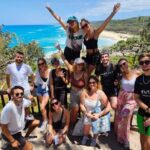
I love two things most: the small group size (limited to 13 people) and the way the itinerary mixes “go see” stops with real time to breathe on the sand. The other win is the guide-led wildlife spotting, which makes you feel like you’re in the right place at the right moment, not just wandering around hoping.
The main drawback is pacing. It’s a full day with a few walks and some stairs, so it can feel a bit busy if you’re hoping for long, lazy hangs at each spot—or if mobility is an issue.
In This Review
- Key things I’d prioritize on this Stradbroke day
- From Skytower to Stradbroke: the day starts fast
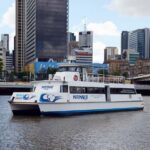
- The Moreton Bay ferry crossing: why it’s more than a transfer
- Amity Point: dolphin-spotting and an easy first landing
- Deadman’s Beach: rugged coast, seasonal whale watching, and shore-life
- Point Lookout: lunch views and the best excuse to take it slow
- The North Gorge Walk: cliffs, wildlife odds, and real scenery
- Cylinder Beach: swim time and a clean finish
- Myora Springs: the Indigenous history stop that adds depth
- Wildlife sightings: how to think about chances without getting disappointed
- Price and what you’re really paying for ($133)
- Timing, fitness, and who this tour fits best
- What to bring so the day stays comfortable
- Should you book this Brisbane to Stradbroke eco day trip?
- FAQ
- How long is the Brisbane to Stradbroke eco tour?
- What is included in the tour price?
- Is lunch included?
- What wildlife can I expect to see?
- When is whale watching available?
- What should I bring?
- Is the tour suitable for strollers or wheelchairs?
- Where is the meeting point in Brisbane?
Key things I’d prioritize on this Stradbroke day
- A ferry ride that’s part of the experience (not just transport), with chances to spot marine life along the way
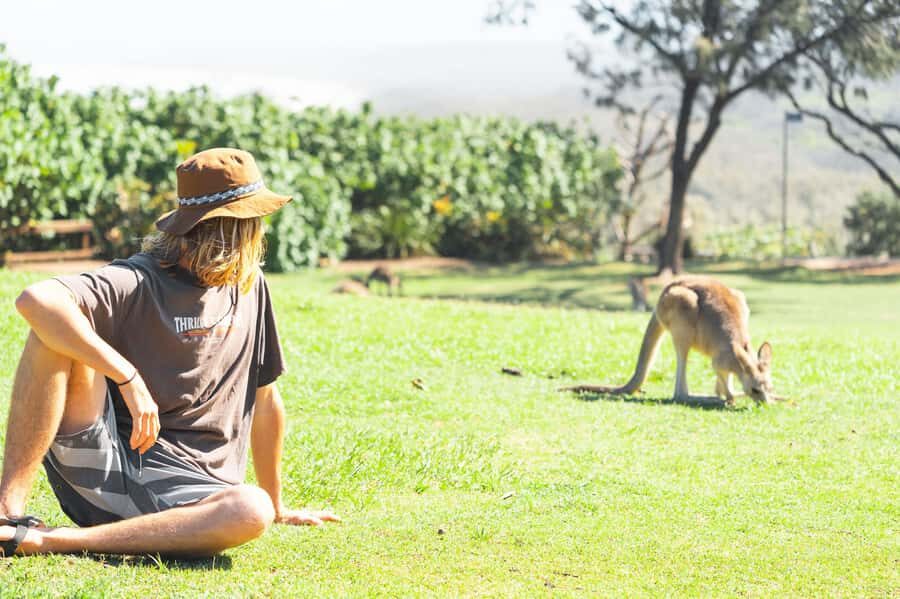
- Wildlife stops built into the route, including dolphin-spotting at Amity Point and kangaroos/koalas around the walks
- Point Lookout views that earn their elevation, with whale watching seasonally (May–Oct)
- Two guided walks (North Gorge Walk and Myora Springs) that add meaning beyond the beaches
- Cylinder Beach time for a proper reset, with swimming options if conditions look good
- Lunch flexibility, including the island’s well-known prawn roll if you want the classic treat
From Skytower to Stradbroke: the day starts fast
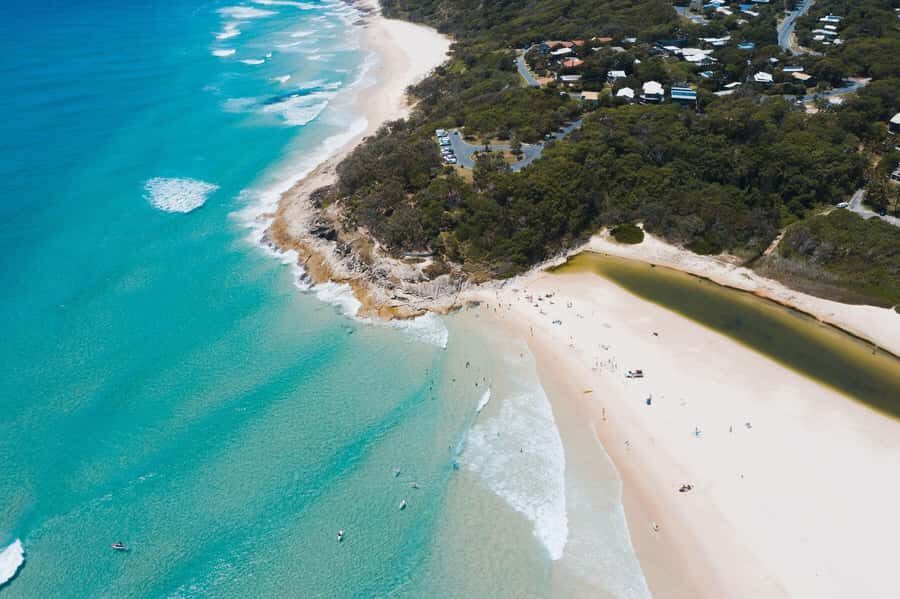
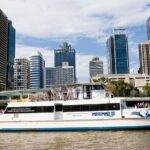
You meet just outside the Skytower Apartments between Albert and Edward Streets in central Brisbane. From there, you’ll head out by van and then catch the ferry across Moreton Bay. Plan on a full-day commitment, but it doesn’t drag. The morning movement is timed so you reach the island with energy still intact.
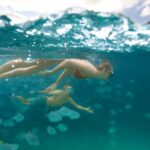
That first ferry segment matters. It’s about 45 minutes of open-water views, and the tour is set up so you’re not staring at your phone the whole time. You might see dolphins moving through the water near the wake, and you’re also on the lookout for turtles and other marine life.
Practical note: this is an active day, so I’d keep your footwear comfortable from the start. The tour isn’t built around wearing your best shoes and hoping for the best.
Other North Stradbroke Island tours from Brisbane
The Moreton Bay ferry crossing: why it’s more than a transfer
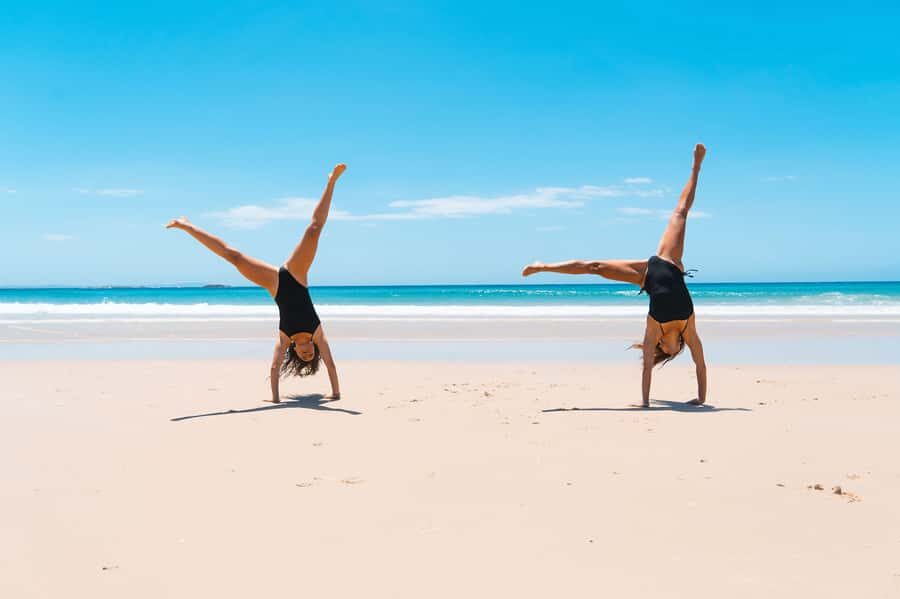
A lot of day trips treat the ferry as a delay. This one treats it like a warm-up act.
You’re crossing Moreton Bay before you even reach North Stradbroke, and the guide’s commentary helps you read the water—where to look, what might be drifting near the surface, and how wind and light affect what you can spot. Even when wildlife doesn’t show up, the coastline views are a real payoff.
If you get motion-sensitive, plan smart. The day is timed tightly, so don’t assume you’ll have time later to handle a bad seasick morning.
Amity Point: dolphin-spotting and an easy first landing
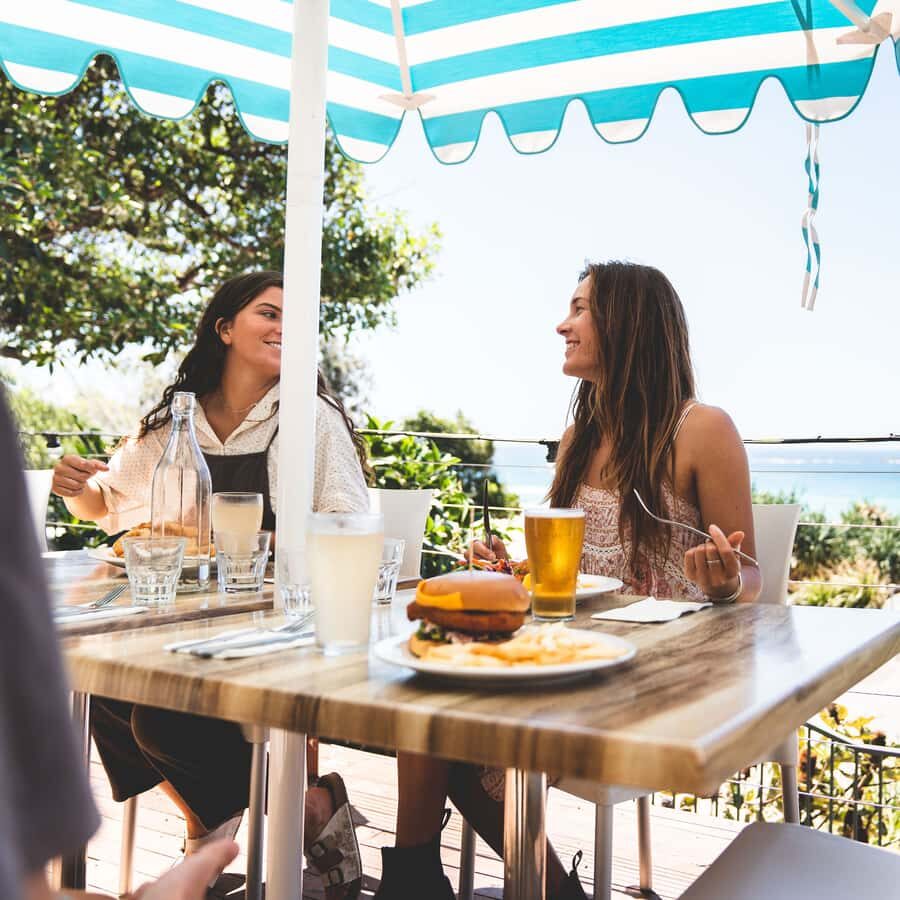
Once you’re on Stradbroke, the tour starts with Amity Point. This is a relaxed place to re-orient. You get a photo stop, a short walk, and time dedicated to wildlife viewing, with a focus on marine life from the shore.
What I like about starting here: it’s not a “power through to the next stop” vibe. It’s a calmer island introduction. You’ll likely see people scanning the water, and you’ll understand why pretty quickly—dolphins can be nearby when conditions are right.
This is also a good moment to get your bearings for the rest of the day. Your guide’s local knowledge helps, but you’ll also be learning the shape of the coast as you go.
Deadman’s Beach: rugged coast, seasonal whale watching, and shore-life
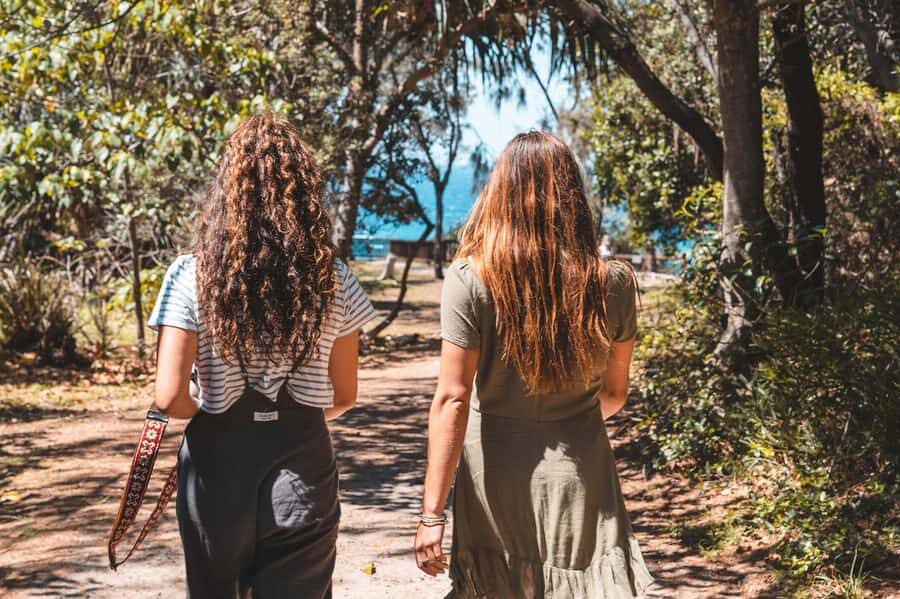
Next comes Deadman’s Beach. This stop leans into coastal drama: dunes, open ocean angles, and a windswept feel that makes you understand why this island is so beloved by people who love nature.
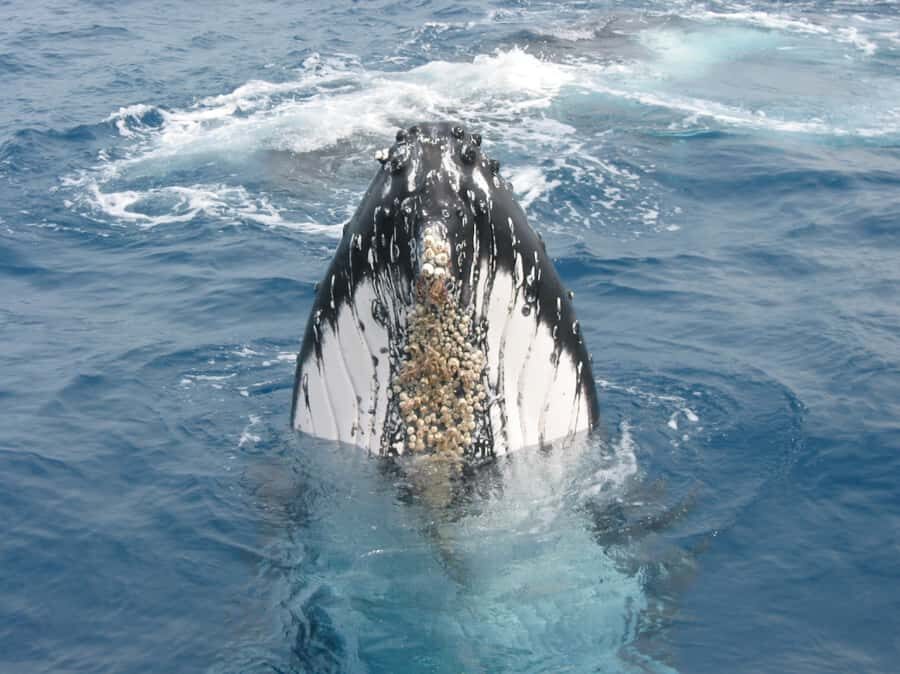
You’ll have a mix of photo time, guided context, and walking. The big seasonal draw is whale watching from May to October, especially when whales are migrating offshore. If you’re traveling outside that window, you’re still looking for marine wildlife from the coast—so the focus stays on reading shorelines and spotting movement.
There’s also the added bonus of the ocean doing what it does—glints, swells, and changing sightlines. It’s the kind of place where your chances improve when you actually pause and watch, not just walk past.
Point Lookout: lunch views and the best excuse to take it slow
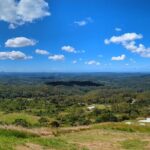
After the beach stops, the day builds in a proper viewpoint break at Point Lookout. This is the elevated hub where the island and surrounding ocean stretch out in front of you.
You get a chunk of time here: photo stops, free time, lunch options, and shopping/snacks if you want them. If you’re hungry, don’t overthink it—Stradbroke’s food choices are part of the charm, and people tend to go for the easy island favorites.
One classic is the Prawn Shack prawn roll. It’s a go-to because it’s local, fast enough to keep the day moving, and tasty enough to justify the hype. If you’re not in the mood for that, there are nearby cafés where you can eat instead.
Tip: if the light is good, do lunch first and then take a slower pass around the lookout. That way you’re not eating while the best photos are happening behind you.
A few more Brisbane tours and experiences worth a look

The North Gorge Walk: cliffs, wildlife odds, and real scenery
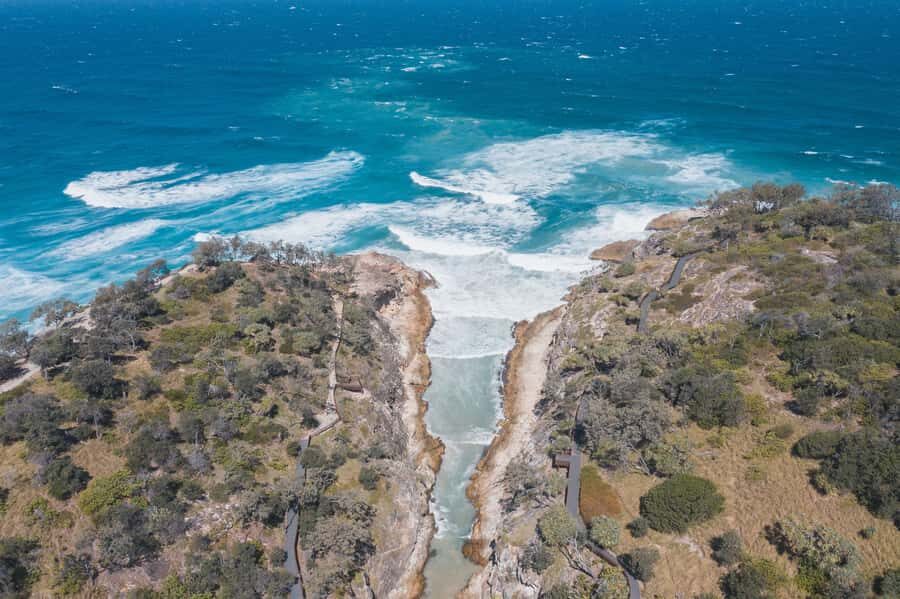
Next up is the North Gorge Walk, one of the day’s main guided stretches. It’s a coastal trail that hugs the landscape, with viewpoints where you can look down toward the sea and across headlands.
This is where the day turns from “beach day” into “walk-and-watch nature.” Your guide keeps it engaging with info about local plants and the island’s ecology, and you’ll have multiple moments where the group pauses to scan for wildlife.
What you’re hoping for here:
- dolphins riding surf or moving offshore
- sea turtles in the water below (when conditions line up)
- birds overhead, plus the occasional eagle soaring by
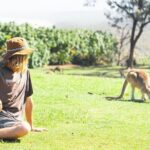
- and on land, sometimes kangaroos near the trail and koalas in treetops
No single walk guarantees animal sightings, but this is structured in a way that gives you repeated chances. I also like that it’s guided—there’s something about following a route that’s chosen for viewpoints, not just “whatever trail looks neat.”
Shoes matter here. Some paths involve stairs and uneven ground, so comfortable footwear isn’t optional if you want to enjoy it.
Cylinder Beach: swim time and a clean finish
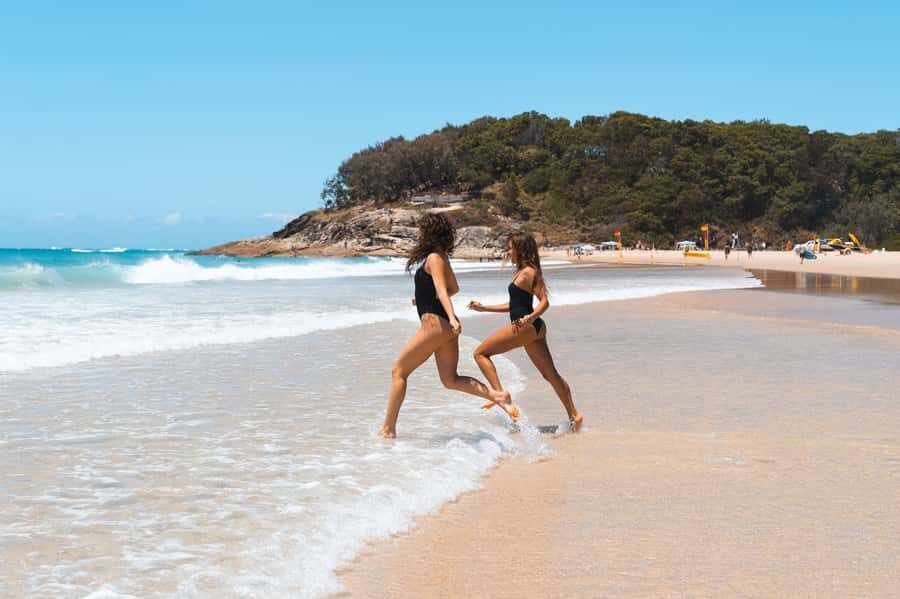
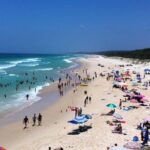
After the walk, the tour offers a wind-down at Cylinder Beach. This is a proper beach reset: sand under your feet, a chance to cool off, and time to just be.
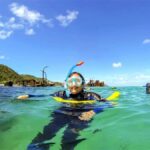
You’ll get free time plus swimming opportunities (when conditions allow). Even if you don’t swim, it’s the kind of place where sitting for a while feels like part of the tour, not a break you have to earn.
This stop is also a good place to do some casual birding and people watching from a distance. The island has its own rhythm, and cylinder-town calm is a real contrast to the earlier coast viewpoints.
Myora Springs: the Indigenous history stop that adds depth
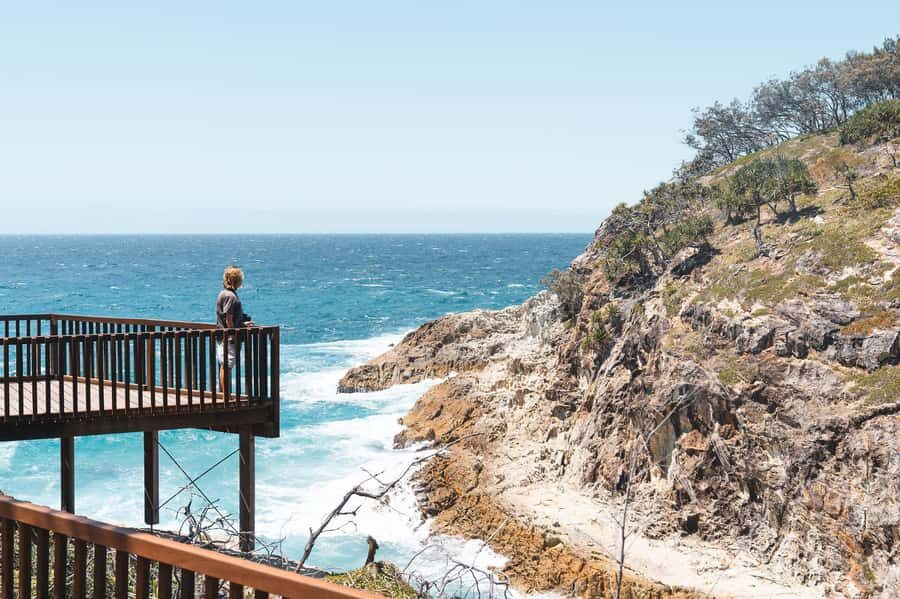
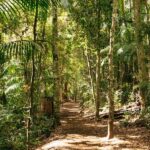
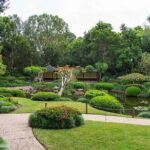
The day finishes with Myora Springs, a freshwater stream surrounded by native bush. This is where the tour adds cultural and ecological meaning, not just scenic scenery.
You’ll have a photo stop, a guided walk, and learn why this freshwater site matters. It’s culturally significant, and the guide shares its importance—so you’re not just ticking off another viewpoint. You’re connecting the island’s ecology to the people who know it in a deeper way.
Also, it’s a nice change of pace after the sea-and-coast focus earlier. Freshwater bushland feels cooler and more sheltered, even when the day stays sunny.
Wildlife sightings: how to think about chances without getting disappointed
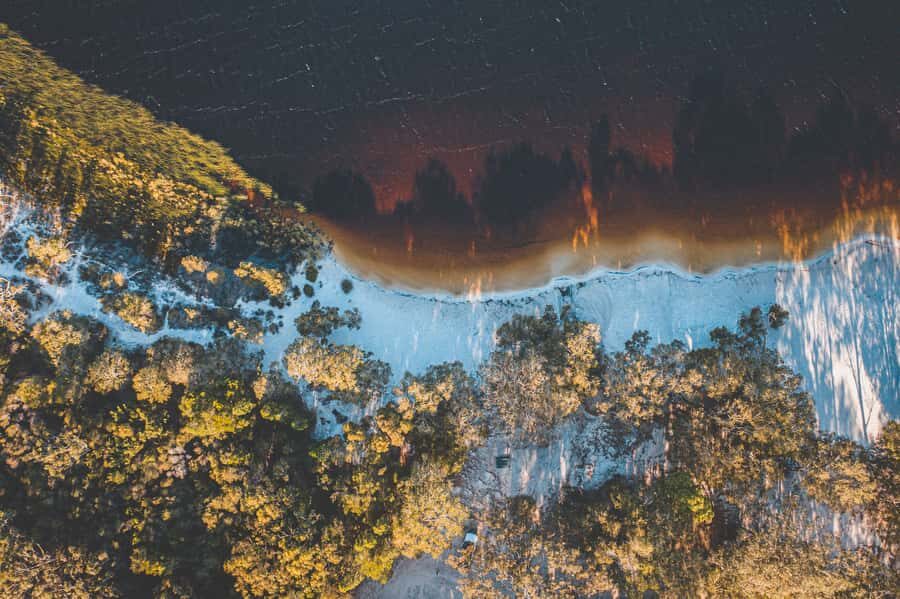
One thing that comes through strongly is that wildlife spotting is a core promise of the day. You may see kangaroos, koalas, dolphins, turtles, and native birds. Depending on season and conditions, you might also spot whales (May–Oct) or other marine life like rays.
The key is mindset: treat sightings as part of the experience, not the pass/fail outcome. The tour is set up to maximize your odds through multiple shorelines and a trail route designed for wildlife viewing.
And there’s a real advantage to having a local guide actively looking. On different departures, guides such as James, Pete, Dave, Brian, and Harrison are mentioned, and the consistent theme is their attention to the group’s experience—helping you find animals when they’re around and keeping the day moving at a friendly pace.
If you’re lucky, you’ll come home with photos you didn’t expect. If you’re less lucky, you’ll still have beaches, headlands, and walking that feel like you actually went places—not just sat in transit.
Price and what you’re really paying for ($133)
At $133 per person for a 10-hour small-group day, the value comes from what’s bundled.
What you get included:
- return transport from Brisbane
- the return ferry across Moreton Bay
- national park entry fees
- an experienced local guide
- a guided walk at North Gorge
- visits to Deadman’s Beach and Cylinder Beach
- wildlife viewing focus
- a guided visit at Myora Springs
Then you supply the choices:
- lunch (you can support island cafés or bring a picnic style plan, depending on your preference)
- morning and afternoon tea (snacks/coffee available for purchase on the ferry)
So you’re not just paying for a ride to a beach. You’re paying for entry fees, guided time, and the structure that links viewpoints and wildlife opportunities into one day.
If you were to DIY it, you’d still spend on ferry crossings, transport, and park access. The tour simplifies the whole process and keeps you from wasting the day figuring out where to go next.
Timing, fitness, and who this tour fits best
This is best for people who like a full day and don’t mind walking. The tour is marked as suitable for age 4 and over, but it’s not designed for strollers or larger bags. Wheelchair access isn’t available, and it’s noted as not suitable for mobility impairments.
If you:
- enjoy short-to-moderate walks,
- want wildlife chances without the stress of planning,
- and want a classic “Brisbane day trip but feels like a vacation” day,
…this fits very well.
If you’re the type who needs long stretches of downtime, expect the day to feel a bit packed. Some people find the pace brisk, and the route is designed to hit several key spots, not just one or two.
What to bring so the day stays comfortable
Here’s the practical checklist:
- comfortable shoes
- sun hat and sunscreen
- insect repellent
- comfortable clothes (and expect sun and wind)
- personal medication
And a sanity tip: bring just what you need. Large luggage isn’t allowed, and food in the vehicle isn’t allowed either.
Should you book this Brisbane to Stradbroke eco day trip?
I’d book this if you want a strong mix of wildlife opportunities, scenic coastal viewpoints, and guided walks without the hassle of organizing ferries and park logistics. The small group size also helps. You get a more personal experience than the big-bus style tours, and the guide can keep track of the group while still calling out wildlife.
I’d think twice if you need lots of rest breaks, have trouble with stairs or uneven ground, or plan on bringing a stroller or wheelchair. This tour works best when you can handle a day that’s active and outdoors.
If you’re choosing one Stradbroke option from Brisbane, this one is a strong pick: it’s built around the island’s highlights, includes the ferry and park access, and gives you enough beach time to feel like the day was worth the effort.
FAQ
How long is the Brisbane to Stradbroke eco tour?
It runs for about 10 hours.
What is included in the tour price?
The tour includes return transport from Brisbane, return ferry fare across Moreton Bay, national park entry fees, an experienced local guide, guided walks at North Gorge and Myora Springs, and visits to Deadman’s Beach and Cylinder Beach, plus wildlife viewing focus.
Is lunch included?
No. Lunch isn’t included. You can support island cafés or bring your own picnic-style plan.
What wildlife can I expect to see?
You’ll have wildlife viewing focus for dolphins, kangaroos, koalas, turtles, and native birds, with whales possible in season.
When is whale watching available?
Whale watching is noted for May to October, with scenic viewing from Point Lookout and Deadman’s Beach.
What should I bring?
Bring comfortable shoes, a sun hat, sunscreen, insect repellent, comfortable clothes, and your personal medication.
Is the tour suitable for strollers or wheelchairs?
No. Baby strollers aren’t allowed, and wheelchairs can’t be accommodated.
Where is the meeting point in Brisbane?
Meet outside the Skytower Apartments between Albert and Edward Streets.