REVIEW · BRISBANE
Brisbane to North Stradbroke Island Day: Wildlife & Beaches
Book on GetYourGuide →Operated by Stradbroke Island Tours by Hernandez Corporation Pty Ltd · Bookable on GetYourGuide
Whales offshore and koalas nearby in one day. I love the small-group eco tour rhythm—ferry over Moreton Bay, then short coastal walks and lookouts—and I also appreciate the responsible wildlife spotting that keeps the focus on nature, not chasing animals. The main consideration: it’s not suitable for wheelchair users, and you’ll be on foot over sand and paths.
If you’re lucky with your guide, that makes the whole day. Guides named in past trips, like Anton and Ivy, are consistently praised for spotting animals early, keeping things calm and safe, and adapting when weather changes mid-day.
In This Review
- Quick hits before you go
- North Stradbroke in one day: why it feels like a real nature escape
- Getting there from Brisbane: pickup, ferry time, and why you should be early
- North Gorge Walk and Point Lookout: the wildlife-and-views combo that makes the day
- Lunch and break time at Point Lookout: how to use the hour best
- Cylinder Beach: the sand-and-swim payoff (and what to bring)
- Amity Point sunset wildlife: calm views that close the loop
- Wildlife ethics and the “how to spot animals” mindset
- Transport comfort and pacing: why the day doesn’t feel like a machine
- Price and value: is $134 per person worth it?
- Who this trip suits (and who should look at other options)
- Practical packing list you’ll actually use
- Should you book this day trip?
- FAQ
- What time is the meeting point for Brisbane pickup?
- What time does the tour depart if I’m meeting at the ferry terminal in Cleveland?
- What wildlife can I see on this trip?
- Is lunch included?
- How long is the trip and when do you return to Brisbane?
- Is the tour wheelchair accessible?
Quick hits before you go
- Whales in season (June–October) from Queensland’s most easterly point at Point Lookout
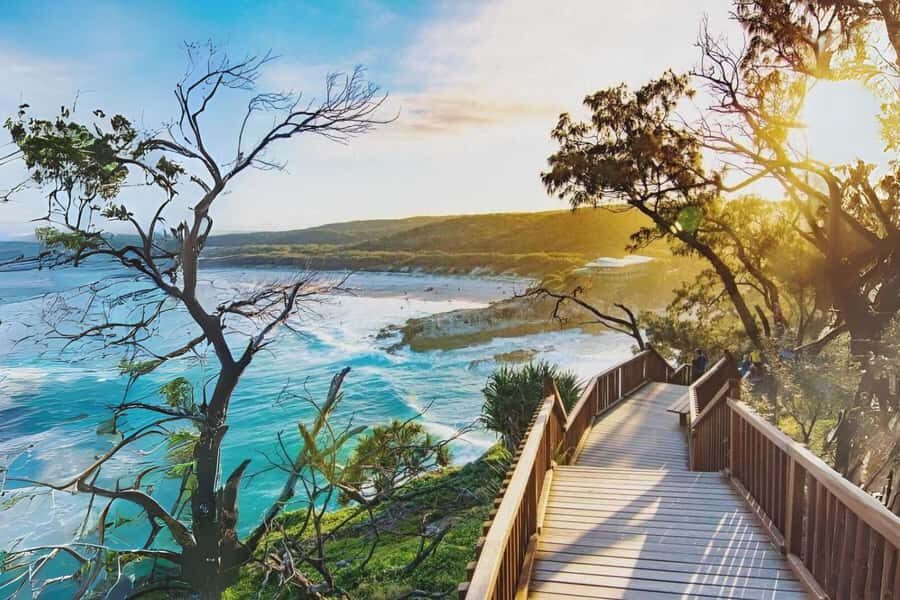
- North Gorge Walk mixes easy wildlife watching with big coastal views and photo stops
- Cylinder Beach gives you real swim/relax time, not just a quick stop
- Amity Point is built for lingering: koalas can be around in the gum trees, plus dolphins close to shore
- Eco-certified, low-impact wildlife watching with no feeding or crowding
North Stradbroke in one day: why it feels like a real nature escape
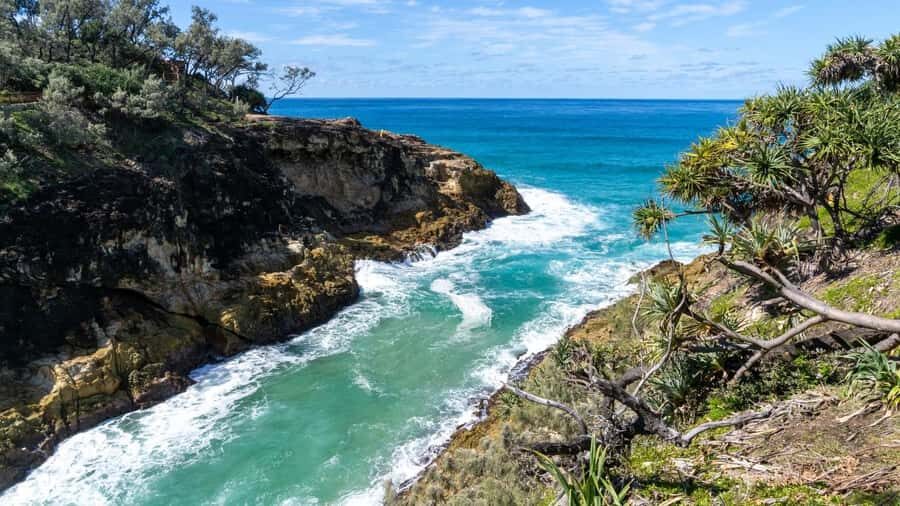
This is a one-day trip from Brisbane to Minjerribah / North Stradbroke Island built around the island’s two big draws: wildlife and beaches. The format matters. You’re not stuck in a long bus line waiting for the “main event.” You get the ferry crossing first, then you move from lookout to walk to sand in a way that keeps the day feeling natural.
On top of that, the day is eco-certified and designed for ethical wildlife viewing. That means the point isn’t to get selfies right next to animals. It’s to watch from a respectful distance, keep noise down, and let the island do what it does best.
And yes, the whales are the headline in winter-to-spring months. Between June and October, humpback whales may be seen on their migration, often from offshore views at Point Lookout. Outside that window, the wildlife emphasis shifts more toward dolphins, turtles, rays, and birds.
Other North Stradbroke Island tours from Brisbane
Getting there from Brisbane: pickup, ferry time, and why you should be early
You have two pickup options. If you choose Brisbane pickup, meet at the Pullman King George Square Hotel in the undercover driveway at 8:35 AM. The group departs about 8:45, and the guide arrives with a white Toyota Hiace van signwritten for Stradbroke Island Tours.
If you miss the Brisbane pickup or you’re staying elsewhere, your timing changes: you meet at the Sealink vehicle ferry terminal café (Cleveland) by 10:00 AM, since the tour then starts from the ferry area.
Once you’re on island-bound transport, the day flows in a simple sequence:
- van to the ferry area
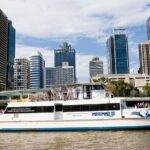
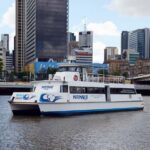
- ferry across Moreton Bay
- van again to reach the best wildlife and beach spots
That ferry portion isn’t just a transfer. It’s part of the wildlife experience. You’re encouraged to keep an eye out for dolphins that often swim near the boat. Even when it’s quiet, the water views set the tone: you’re arriving at a coastal place, not just getting dropped at a beach.
Big practical point: the bus won’t wait for late arrivals. Traffic and parking can chew up time, so I’d plan to show up a little earlier than you think.
North Gorge Walk and Point Lookout: the wildlife-and-views combo that makes the day
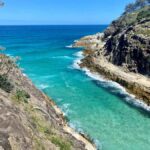
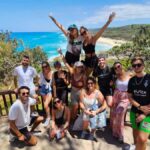
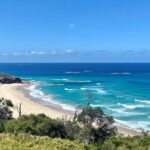
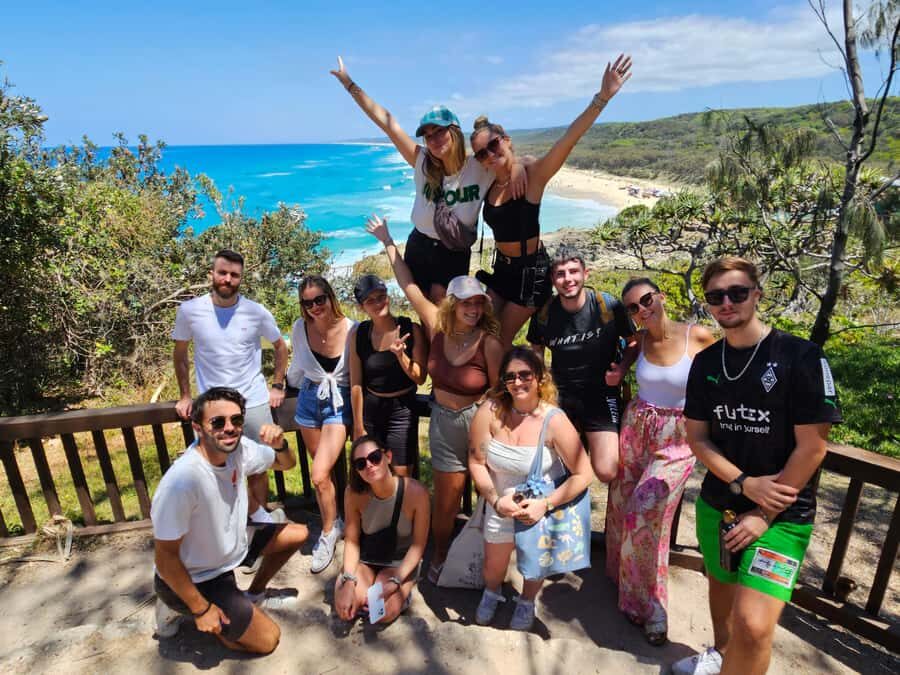
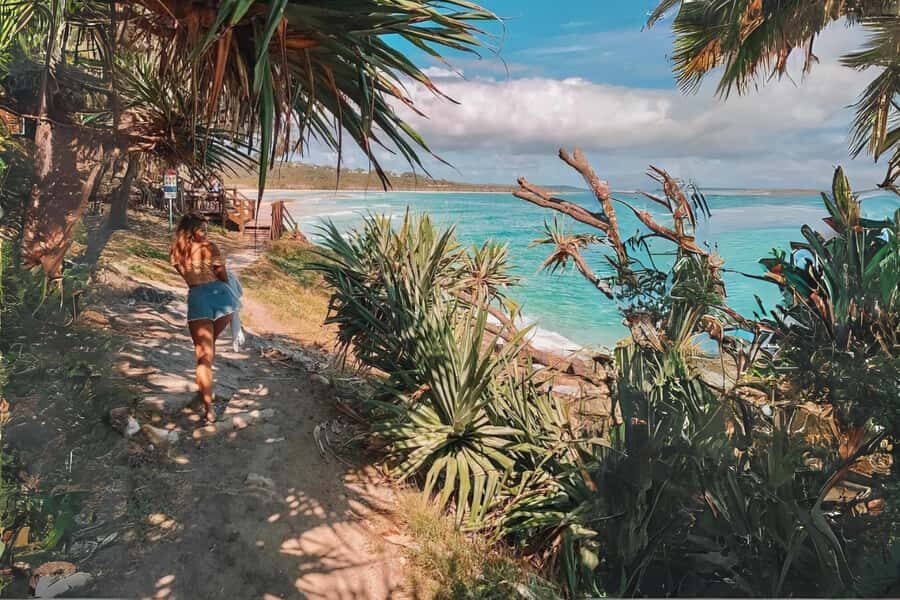
The first big island stop centers on the North Gorge Walk at Point Lookout. This is Queensland’s most easterly point, and that matters. The ocean faces a wider open horizon, so your chances for dolphins (and whale season sightings) are better than you’d get in more sheltered bays.
Expect a mix of:
- scenic walk time with photo stops
- wildlife watching in dunes and open coastal areas
- sea views that make you slow down for a minute
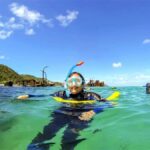
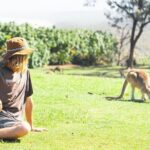
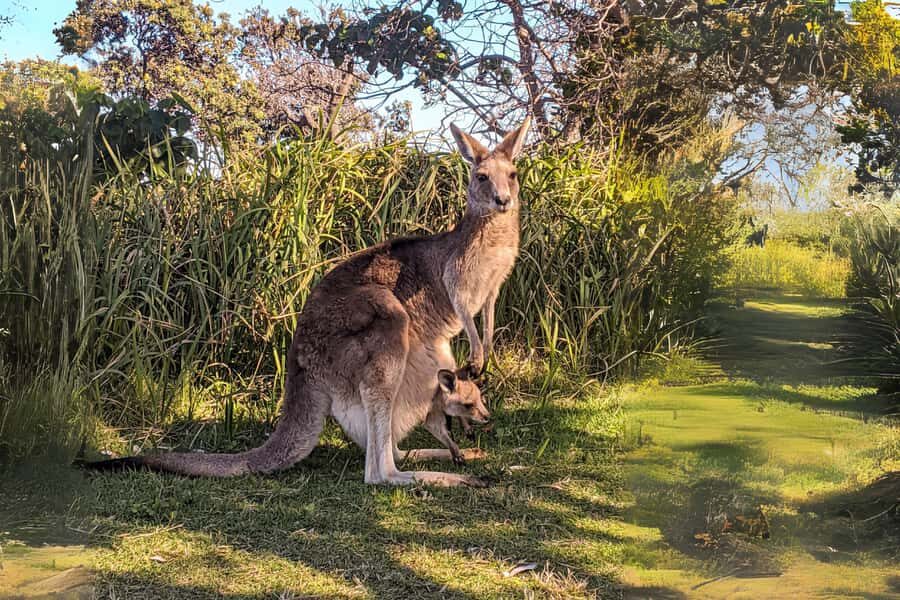
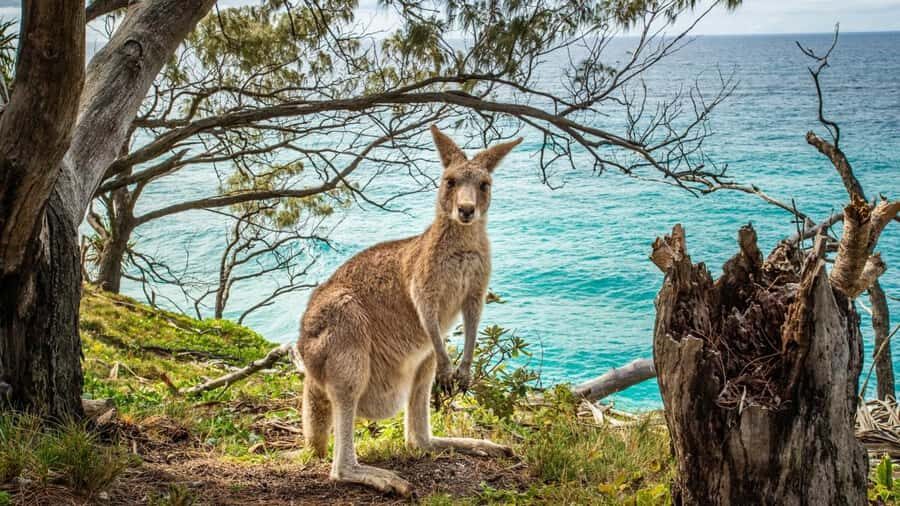
This is also where animal sightings can surprise you. Kangaroos may be resting among the dunes. Sea eagles can ride the air overhead. If you’re traveling during June–October, humpback whales may breach offshore. In other months, you’re more likely to see things like dolphins, turtles, and rays in the turquoise water below—depending on what the day gives you.
One thing I like about this setup is pacing. You’re not sprinting from “spot” to “spot.” You’re getting time to look, then time to move. You can do a short walk, then pause for watching. That’s how you actually notice wildlife behavior, not just catch a brief flash.
Lunch and break time at Point Lookout: how to use the hour best
At Point Lookout, there’s break time that includes lunch/picnic. Meals aren’t included in the price, so you’ll either buy food locally or use what you brought. The tour provides a portable cooler for guests’ food and drinks, which is handy if you want something simple and budget-friendly.
This is also a good moment to do a quick reset. You’re at an active wildlife zone, but you’re also at a high-viewpoint spot. If you’re going to take photos, it’s the kind of place where the light and horizon make the effort worth it.
A small reality check: the weather on the island can swing even when Brisbane is fine. When cloud or wind rolls in, you’ll still get views and wildlife opportunities, but your beach comfort later may depend on how you dress now. Bringing a light jacket is smart.
Cylinder Beach: the sand-and-swim payoff (and what to bring)
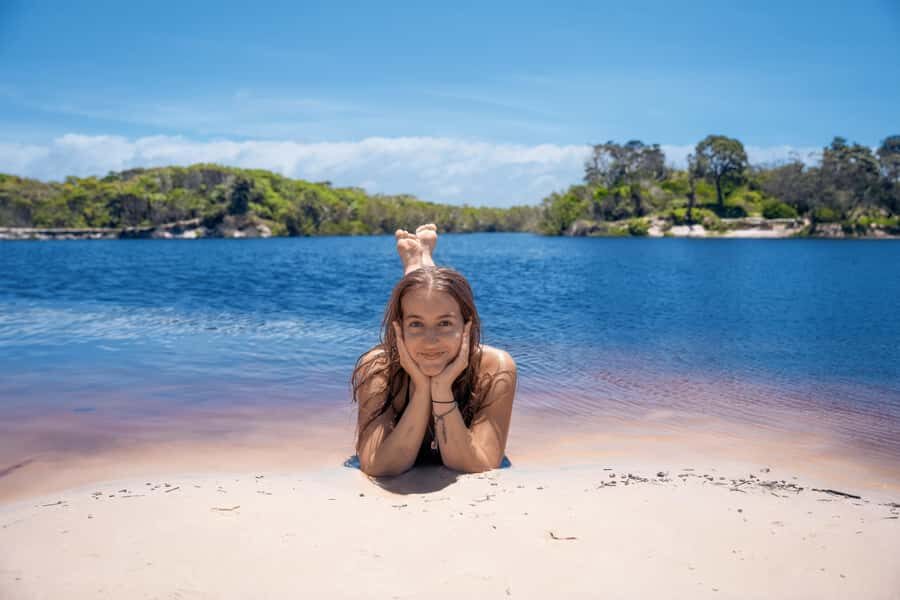
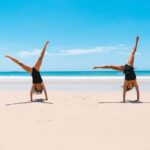
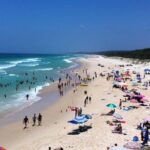
Cylinder Beach is the day’s main relaxation block. You get free time to swim or just lay back, plus time for photos and breaks. The sand and water are part of why this trip works: it balances wildlife watching with genuine downtime.
What to bring for this portion is straightforward, and I’d treat it like a mini beach day:
- swimwear and a towel
- sunscreen and a hat
- comfortable shoes if you’re unsure about walking surfaces
- camera, sunglasses, and water
It helps that the day includes time buffers. You’re not rushed out of the water after five minutes. You’ll also have opportunities for practical stops as needed.
If you’re coming from the city, this beach time can feel like the full point of the trip—because it’s exactly where the island’s pace changes. You hear fewer engines, see more shoreline, and your photos look different once you’re on sand instead of looking from a roadside viewpoint.
A few more Brisbane tours and experiences worth a look
Amity Point sunset wildlife: calm views that close the loop
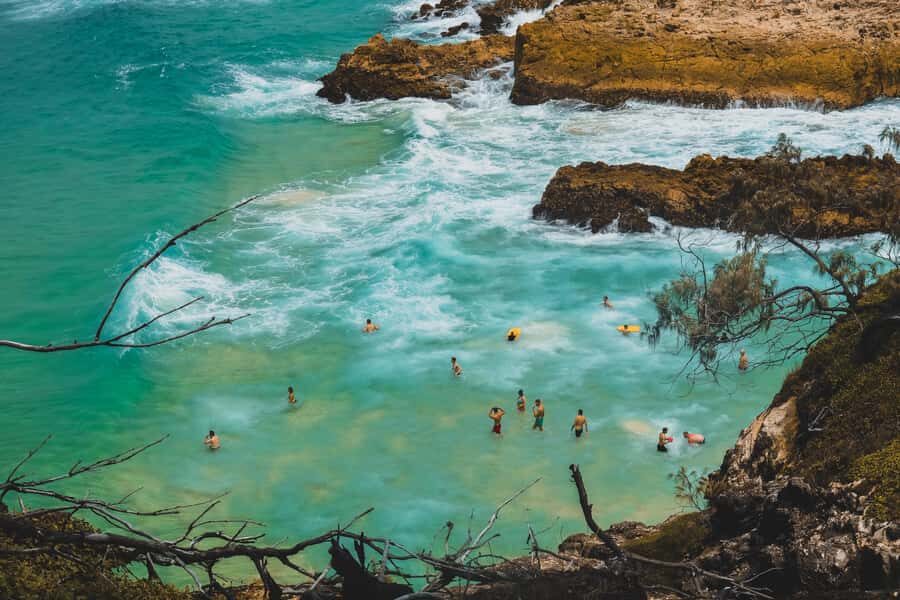
Late in the day, you head to Amity Point, a peaceful coastal reserve that’s a favorite for watching light shift near sunset. This is another location where wildlife can show up in a low-key way.
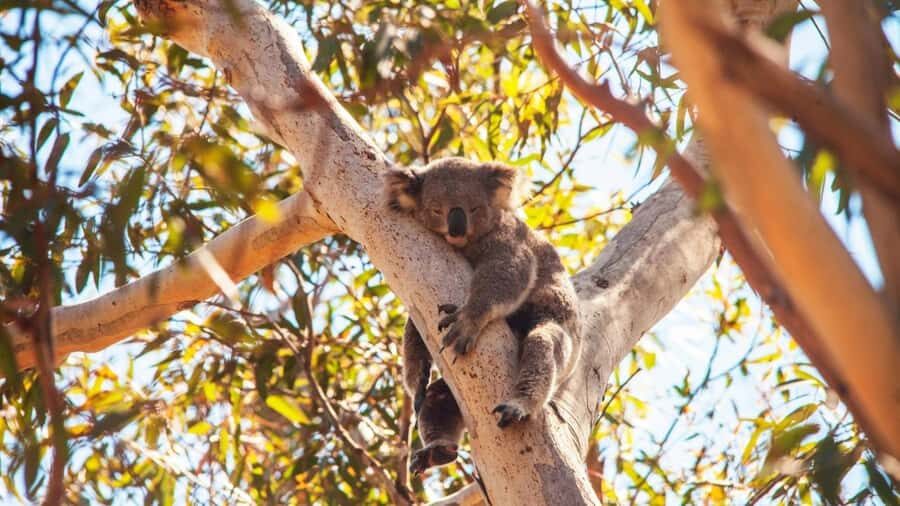
Koalas may be seen resting in the gum trees. Dolphins can play close to shore. The scenery here is designed for staying put—so bring your patience and expect slower moments.
Why I like this as an ending: it feels like the trip’s theme finally clicks. You’ve had a walk at Point Lookout, you’ve had beach time at Cylinder, and now you get a coastal reserve moment that’s about watching rather than moving. It’s a gentler finish before you return by ferry.
If you want that classic Australian day-trip memory—golden light, soft sounds, and wildlife nearby without pressure—this is where it happens most often.
Wildlife ethics and the “how to spot animals” mindset
This tour’s wildlife viewing approach is built around not disturbing or feeding animals. That’s more than a moral checkbox. It affects what your day feels like.
When you’re not trying to herd animals into view, you end up learning how wildlife uses the landscape:
- kangaroos choose sheltered dune edges
- koalas rest high in gum trees when it’s quiet
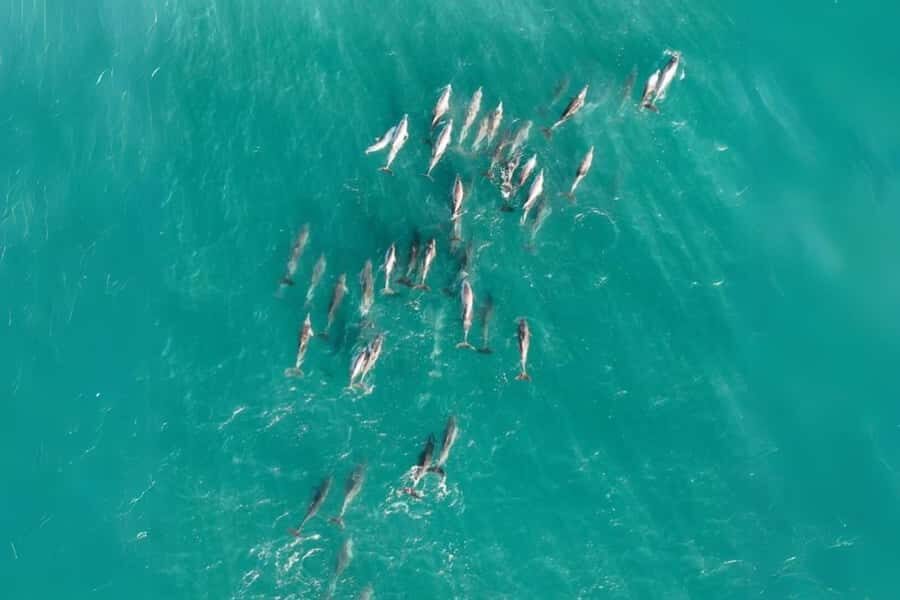
- dolphins move with food and currents, often closer to shore
In practice, the guide’s role is to notice details quickly—animal movements, bird behavior, and the right vantage points—then help you view from a respectful angle. Guides are often praised for having that sharp eye and for keeping the day safe and laid back.
Also, because the day is small-group, you’re not dealing with a big crowd blocking everyone’s sightline. That matters at lookouts and especially near beach edges where wildlife may be visible from a narrow angle.
Transport comfort and pacing: why the day doesn’t feel like a machine
A lot of day trips from cities feel like checklists. This one is different because the movement is broken into sensible chunks:
- van segments are short
- the ferry adds a calm visual break
- stops have time to breathe
You’re also not stuck waiting too long at any one place. The day is structured around three main “experience zones”: North Gorge/Point Lookout, Cylinder Beach, and Amity Point.
From past travelers, one theme shows up often: guides keep things relaxed and organized even when weather isn’t perfect. People specifically mention guides adapting plans and keeping the group comfortable, including when rain shows up.
One extra bonus that can appear with certain guides: some have led short beach breathing or meditation-style moments. It’s not something to assume will happen, but it’s a real example of how the trip can feel more human and less rigid.
Price and value: is $134 per person worth it?
At $134 per person for a one-day trip, you’re paying for more than a sightseeing outing. The price includes:
- an eco-certified small-group day tour
- expert local guiding
- round-trip ferry transfers
- pickup and drop-off from Brisbane meeting points
- park fees and taxes
- beach access time
- wildlife viewing opportunities
- a portable cooler for your food and drinks
Meals aren’t included, but lunch is timed into a local café/picnic opportunity. In other words, you can budget by buying a casual lunch on the island or bringing something simple in the cooler.
To me, the value comes from the combination: the ferry crossing isn’t something you just hop on and figure out easily, and the guided stops do the “where to look” part for you. If you try to DIY Stradbroke in one day from Brisbane, you’d likely spend time figuring out transport and lose the benefit of an organized wildlife-and-viewpoint route.
So the cost feels fair for a day that includes transport, access, guiding, and multiple real scenic stops.
Who this trip suits (and who should look at other options)
This fits best if you:
- want a short, well-paced wildlife and beach day without complicated planning
- enjoy looking for animals in the wild rather than staging encounters
- want the ferry experience and coastal walks, not just a beach lounge day
You might think twice if:
- you need wheelchair access (this one isn’t suitable for wheelchair users)
- you dislike walking on sand or uneven paths
- you expect guaranteed whale sightings (seasonal sightings are possible June–October, but wildlife is still wildlife)
If you’re traveling solo, this can also be a comfortable way to meet people without it turning into a party bus. Many travelers mention small groups and a calm vibe.
Practical packing list you’ll actually use
For a smooth day, I’d pack like this:
- comfortable shoes (you’ll walk on sand and paths)
- hat, sunscreen, and sunglasses
- swimwear and a towel for Cylinder Beach
- reusable water bottle (spring water refills are available)
- light jacket for wind and weather shifts
- camera
Also, arrive on time for pickup. Once you’re in the flow—van, ferry, lookouts—the day runs smoothly, but it depends on everyone starting together.
Should you book this day trip?
Yes, if you want a single-day taste of Minjerribah / North Stradbroke that balances wildlife, coastal scenery, and actual beach time. The eco-certified focus, the responsible viewing approach, and the structure of Point Lookout → Cylinder Beach → Amity Point create a day that feels both relaxing and purposeful.
I’d book especially if your travel dates fall between June and October and you’d love a shot at humpback whales from Queensland’s most easterly point. And even if you don’t get whales that day, the odds for other wildlife—plus the beaches and sunset views—are still the kind of payoff that makes Brisbane feel far away for a day.
FAQ
What time is the meeting point for Brisbane pickup?
Meet at 8:35 AM at the undercover driveway area directly in front of the Pullman King George Square Hotel entrance.
What time does the tour depart if I’m meeting at the ferry terminal in Cleveland?
The tour start time is 10:00 AM at the Departure Lounge Café, Sealink Vehicle Ferry Terminal in Cleveland.
What wildlife can I see on this trip?
You may see koalas, kangaroos, and dolphins. Whales are possible between June and October. Other marine wildlife may be seen depending on conditions.
Is lunch included?
No. Lunch isn’t included, but there’s time to purchase lunch locally at Point Lookout and you can also bring food stored in the portable cooler.
How long is the trip and when do you return to Brisbane?
It’s a 1-day tour. You’ll return to Cleveland around 6:15 PM, and arrive back in Brisbane around 7:00–7:15 PM depending on traffic and ferry schedules.
Is the tour wheelchair accessible?
No, it’s not suitable for wheelchair users.